

Medical 3D Printing: Applications, Technologies & Benefits
3D printing is changing medical manufacturing by enabling faster prototyping, customized tools, and flexible production of selected medical device components.
Compared with manufacturing methods that require dedicated tooling, additive manufacturing can reduce initial tooling requirements and help engineers move from digital designs to physical prototypes more quickly.
This guide explains the role of 3D printing in medical product development, its main applications, commonly used printing technologies, manufacturing advantages, and quality considerations.
1. The Role of 3D Printing in Medical Manufacturing
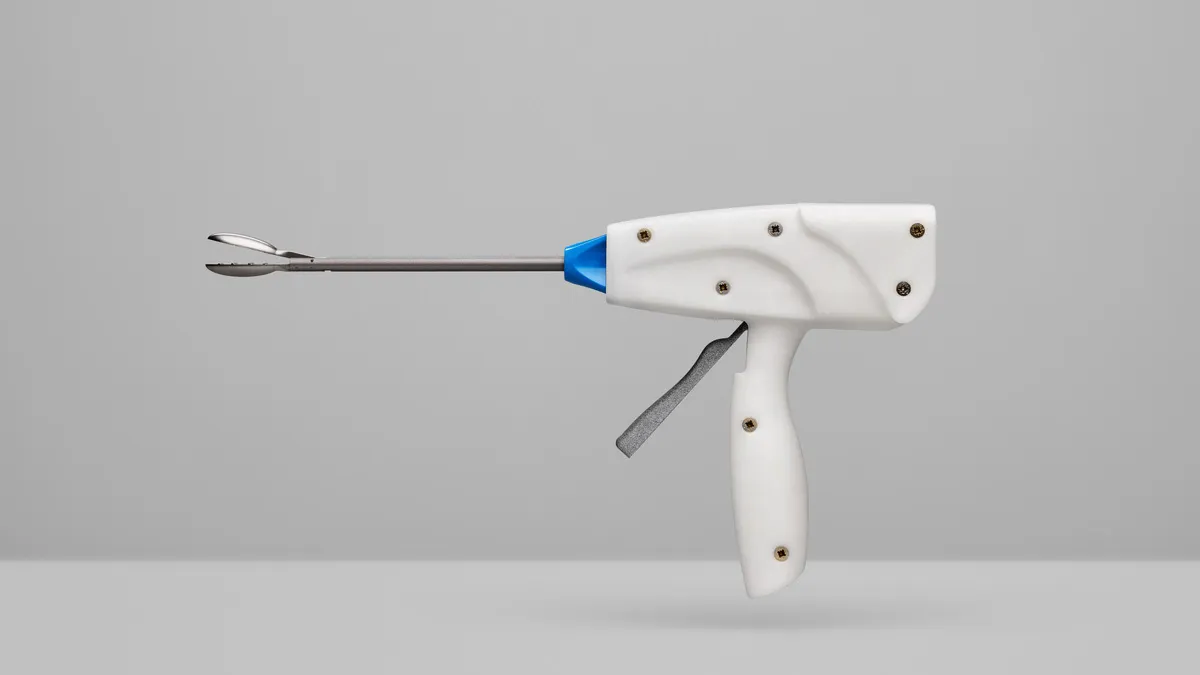
Medical companies use 3D printing to develop surgical tools, patient-specific guides, medical equipment components, anatomical models, and functional prototypes.
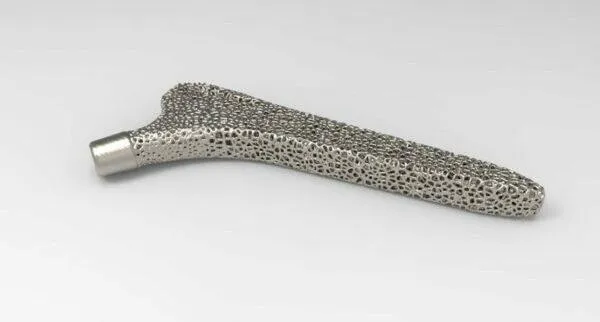
The technology provides design freedom for complex geometries that may be difficult or expensive to manufacture using conventional methods.
Engineers can review CAD data, produce prototypes, evaluate fit and functionality, and refine designs before selecting a validated manufacturing route.
Clinical or patient-contact applications require appropriate material and process qualification.
2. Main Applications of Medical 3D Printing
Medical 3D printing supports prototype development, design evaluation, patient-specific geometry, and specialized equipment manufacturing.
The following table summarizes common applications.
| Application | 3D Printing Benefit | Example |
|---|---|---|
| Surgical Guides | Patient-specific customization | Bone-cutting guides |
| Medical Prototypes | Fast design validation | Device housings |
| Laboratory Equipment | On-demand production of suitable components | Testing fixtures |
| Prosthetics | Personalized fit | External medical devices |
| Anatomical Models | Visualization and surgical planning support | Patient models |
3. 3D Printing Technologies for Healthcare
The most suitable 3D printing technology depends on material properties, geometric detail, surface finish, intended use, and required process validation.
| Technology | Typical Material | Potential Application |
|---|---|---|
| SLA (Stereolithography) | Photopolymer resin | Detailed prototypes and qualified guides |
| SLS (Selective Laser Sintering) | Nylon / TPU | Functional plastic components |
| MJF (Multi Jet Fusion) | Engineering nylon | Functional parts and selected validated production applications |
| DMLS (Metal Powder Bed Fusion) | Titanium / stainless steel alloys | Qualified metal surgical or equipment components |
Material suitability must be evaluated for the specific device. A material being printable does not automatically make it appropriate for sterilization, patient contact, or regulated medical use.
4. Advantages Compared with Traditional Manufacturing
Additive manufacturing can reduce reliance on dedicated molds for selected prototype and low-volume applications.
It is also useful when frequent design changes or customized geometries make conventional tooling less economical.
| Factor | Traditional Manufacturing | 3D Printing |
|---|---|---|
| Tooling Cost | Dedicated mold investment may be required | Typically no dedicated production mold |
| Design Changes | Tooling changes can be costly | Digital model revisions can be implemented quickly |
| Customization | Depends on process and tooling | Highly flexible for individualized geometry |
| Development Speed | Tool-based methods may require weeks or months | Some prototypes can be produced in days |
Manufacturing consideration: 3D printing is not always faster or cheaper. For stable designs and high production volumes, methods such as injection molding may provide better unit economics and repeatability.
5. Quality and Manufacturing Considerations
Medical applications can require strict control of material selection, dimensional accuracy, mechanical properties, sterilization compatibility, process validation, and documentation.
Engineers must select the manufacturing process based on the device's intended use, performance requirements, regulatory obligations, and production volume.
Visual prototypes can have different requirements from devices intended for patient contact or clinical use.
Critical parts should be tested and qualified against applicable specifications before production or deployment.
6. Prototypeinjectionmold.com Medical Product Development Resources
In addition to medical 3D printing, product development may involve design assistance, prototype injection molds, and low-volume plastic part manufacturing.
Explore the related resources below for additional prototyping and tooling options.
- Medical product development services
- Medical device prototype solutions
- Plastic injection molding for medical products
- Prototype mold manufacturing
- Low volume medical manufacturing
Conclusion
3D printing is an important technology in medical tool and equipment development. By combining digital design, suitable materials, and rapid manufacturing processes, product teams can develop customized solutions and validate concepts before committing to a long-term production method.
The best manufacturing strategy depends on the device's intended function, qualification needs, expected production quantity, and cost targets.
Medical 3D printing, CNC machining, and prototype injection molding can each play a useful role at different stages of product development.