

3D printing is changing medical manufacturing by enabling faster prototyping, customized tools, and flexible production of medical devices. Compared with traditional manufacturing methods, additive manufacturing reduces tooling requirements and allows engineers to move from digital design to physical components much faster.
1. The Role of 3D Printing in Medical Manufacturing
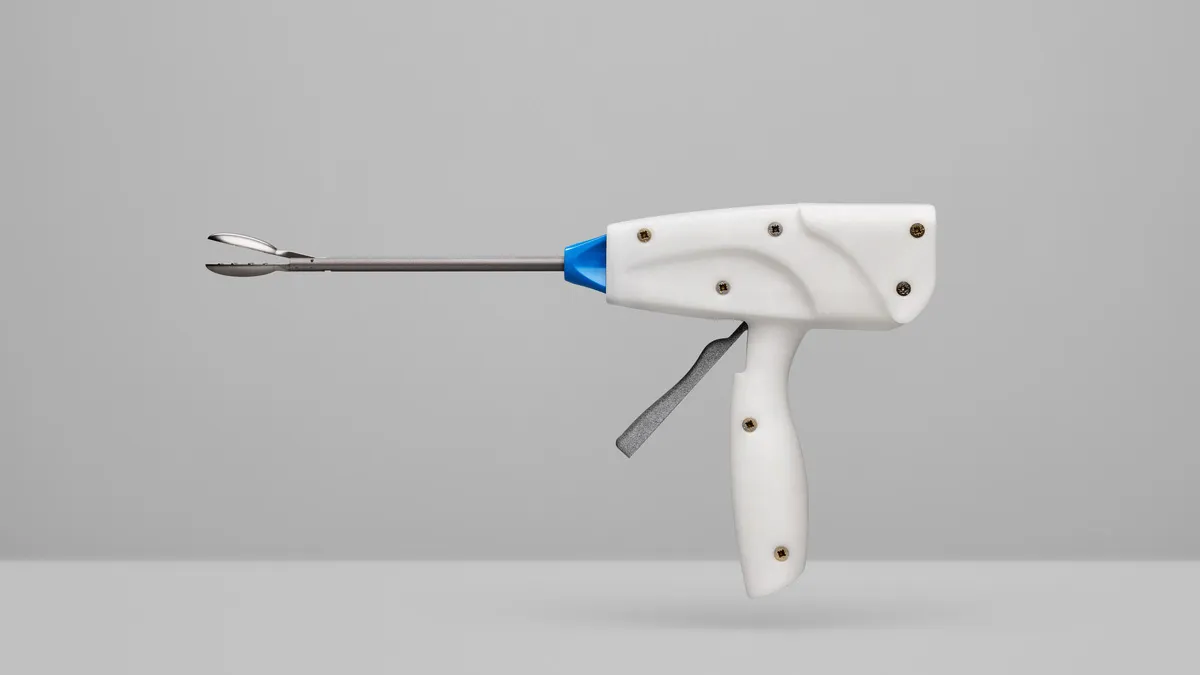
Medical companies use 3D printing to develop surgical tools, patient-specific guides, medical equipment components, anatomical models and functional prototypes. The technology provides design freedom for complex geometries that may be difficult to manufacture using traditional methods.
Figure 1: Medical 3D Printing Workflow
2. Main Applications of Medical 3D Printing
Application | 3D Printing Benefit | Example |
Surgical Guides | Patient-specific customization | Bone cutting guides |
Medical Prototypes | Fast design validation | Device housings |
Laboratory Equipment | On-demand production | Testing fixtures |
Prosthetics | Personalized fit | External medical devices |
Anatomical Models | Better surgical planning | Patient models |
3. 3D Printing Technologies for Healthcare
Technology | Material | Application |
SLA | Photopolymer Resin | Detailed prototypes and guides |
SLS | Nylon / TPU | Functional plastic components |
MJF | Engineering Nylon | Production medical parts |
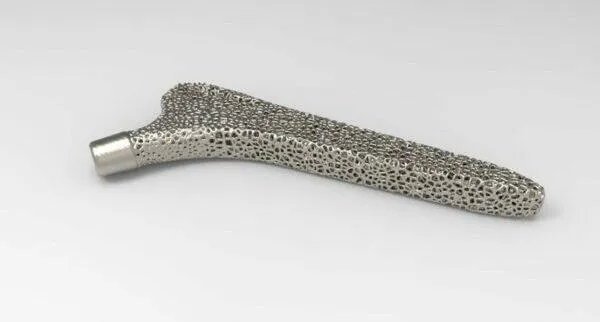
DMLS | Titanium / Stainless Steel | Metal surgical components |
4. Advantages Compared with Traditional Manufacturing
Factor | Traditional Manufacturing | 3D Printing |
Tooling Cost | High mold investment | No tooling required |
Design Changes | Expensive modifications | Fast digital updates |
Customization | Limited | Highly flexible |
Development Speed | Weeks or months | Days or weeks |
Figure 2: Medical Device 3D Printing Applications
5. Quality and Manufacturing Considerations
Medical applications require strict control of material selection, dimensional accuracy, sterilization requirements, process validation and documentation. Engineers must select the correct printing technology based on performance requirements and production volume.
6. Prototypeinjectionmold.com Medical Product Development Resources
Medical product development services
Medical device prototype solutions
Plastic injection molding for medical products
Low volume medical manufacturing
Conclusion
3D printing is becoming an important technology in medical tool and equipment manufacturing. By combining digital design, advanced materials and rapid manufacturing methods, companies can develop safer, more customized and more efficient medical solutions.
Copyright 2026(C) HUAWEI PRODUCT DEVELOPMENT INDUSTRIAL LTD (2009-2024)
All Rights Reserved
marketing@prototypeinjectionmold.com
Contact Information :
Byron Wang
Phone: +86- 86-755-8238-2595
Mobile: +86-139-2383-5403
Email: marketing@prototypeinjectionmold.com
HPDI (HUAWEI PRODUCT DEVELOPMENT INDUSTRIAL LTD)
Address:Building 3, Puxia Industrial Zone, Liuyue, Henggang St., Longgang District, Shenzhen., China