

Automotive and medical product teams often need more than a visual prototype. A housing may need to maintain alignment after assembly, a clip may require repeated flexing, and a structural part may need to perform in the intended engineering resin. The key question is not simply whether the part looks correct. The team must determine whether the design, material, mold, and process can work together.
Prototype injection molding answers that question by producing parts through a representative molding process before the company commits to a full production tool. HPDI's prototype injection molding services support this stage with prototype molds, bridge tooling, molded samples, and low-volume production.
1. Why Visual Prototypes Are Not Always Enough
3D-printed and machined parts are valuable during early development, but they do not reproduce every effect of injection molding. Molding introduces flow direction, weld lines, packing pressure, shrinkage, cooling gradients, gate marks, ejector force, and residual stress.
These factors can influence flatness, snap-fit performance, sealing, gloss, texture, and assembly dimensions. A prototype mold allows engineers to observe them in physical parts made from the selected thermoplastic. Reviewing project examples can help teams identify tests that benefit most from molded samples.
2. Automotive Validation Applications
Automotive projects often need repeated parts for subsystem builds, fit checks, fastening trials, vibration evaluation, field tests, or pre-production assembly.
Typical components include precision structural parts, engine-peripheral housings, water and oil circuit components, connector bodies, HVAC parts, interior brackets, and sensor housings.
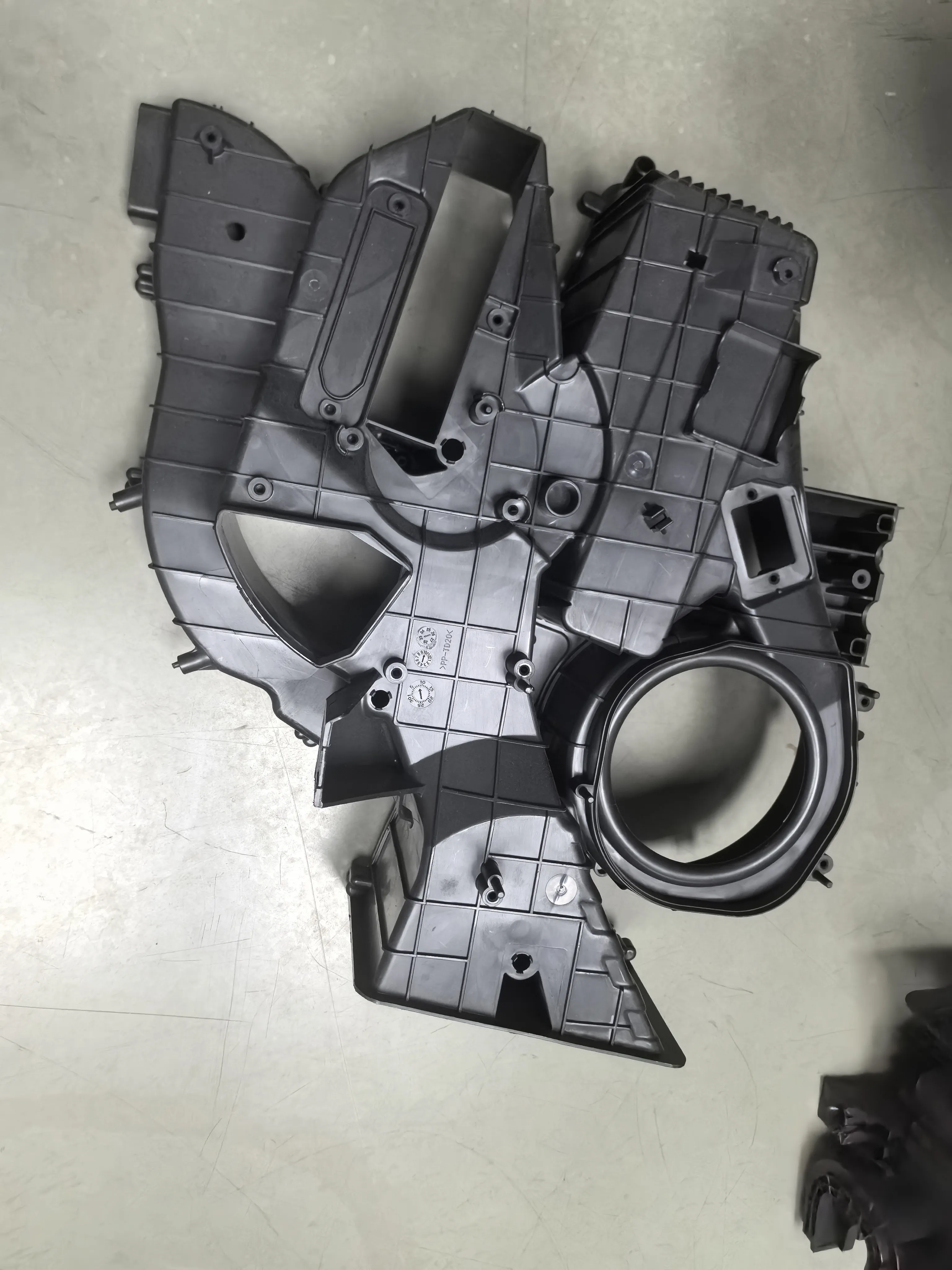
For a connector body, engineers may evaluate pin alignment, latch performance, thin-wall filling, and dimensional stability. For an HVAC housing, flange flatness, clip engagement, weld lines, and air leakage may be more important. Prototype injection molding studies these characteristics using molded geometry rather than a process substitute.
3. Medical Product Validation Applications
Medical-device projects can also benefit from molded validation parts, particularly for housings, instrument components, handles, covers, cartridge bodies, and precision mechanical features.
The prototype mold does not replace formal regulatory validation. Its purpose is to provide engineering evidence before the production tool is finalized. Teams can study assembly, ergonomic interaction, tolerance stack-up, surface quality, labeling areas, and the behavior of snap fits or threaded inserts.
Material and test requirements must still be defined by the customer's technical and regulatory teams. The mold supplier translates those requirements into a manufacturable part and a controlled tooling plan.
Validation Question | Automotive Example | Medical Example |
Dimensional stability | Connector or bracket alignment | Housing and mechanism alignment |
Surface quality | Interior appearance component | Handheld device enclosure |
Assembly performance | Clips and fasteners | Snap fits and inserts |
Material behavior | Heat- or chemical-resistant resin | Specified engineering resin |
Process risk | Weld lines and warpage | Filling of thin precision features |
4. Material Selection Must Match the Test
The team should define stiffness, impact resistance, temperature range, chemical exposure, dimensional stability, moisture sensitivity, color, flame performance, and project-specific requirements.
Glass-filled materials can increase stiffness but may affect tool wear, surface appearance, and warpage. Amorphous and semi-crystalline resins behave differently during shrinkage and cooling. Material behavior should therefore be considered during gate, cooling, and tolerance planning rather than after the mold is complete.
5. Critical DFM Issues
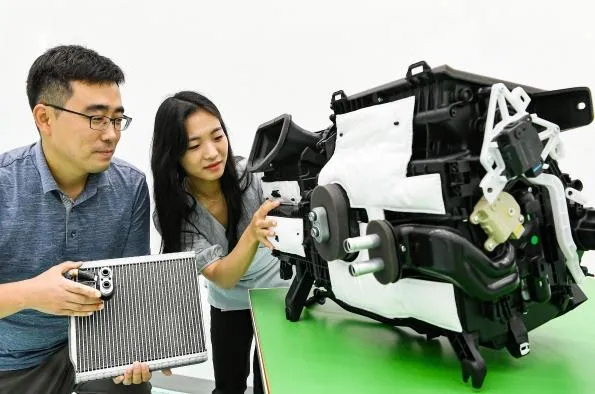
Automotive and medical parts often combine thin walls, bosses, ribs, clips, sealing interfaces, inserts, and cosmetic surfaces. A focused DFM review should address wall-thickness transitions, draft, rib and boss proportions, parting-line location, gate position, weld-line risk, venting, ejector marks, insert retention, critical dimensions, and expected warpage.
6. From CAD Data to Molded Test Parts
A project begins with CAD data, resin information, quantity, and a test plan. The supplier reviews manufacturability, proposes the parting line and gate, confirms critical features, and selects a tooling approach.
After mold manufacture and assembly, the first trial checks filling, ejection, flash, sink, weld lines, surface quality, and basic dimensions. When a problem appears, the team should identify whether the cause is product geometry, mold design, material, processing, or the test method.
In-house design, CNC machining, EDM, mold fitting, injection molding, and dimensional inspection reduce handoff risk. The facilities page summarizes the equipment used for prototype mold manufacture and molded-part inspection.
7. Low-Volume Learning and Production Planning
Because the quantity is limited, the product can still change without abandoning a large production-tool investment. Engineers can compare revisions, evaluate resins, improve assembly, or supply pilot customers while demand is measured.
The prototype phase should end with documented learning, including the approved CAD revision, resin grade, trial settings, dimensional reports, assembly results, and recommended mold changes.
The production tool may require different steel, cavity count, cooling, hot runners, automation, or maintenance planning. Prototype results should guide those decisions, but the production mold must still be engineered for its own life and capacity.
8. Preparing an Effective Inquiry
The FAQ explains information normally required for quotation and planning, including 3D models, drawings, resin, cavity expectations, lead time, and guaranteed mold shots. A medical or automotive inquiry should also explain intended tests, critical features, sample quantity, and acceptance method.
Conclusion
Prototype injection molding gives automotive and medical teams a practical way to validate more than appearance. It helps them study the interaction of geometry, resin, tooling, processing, and assembly before committing to production capacity.
The greatest value comes from defining the test objective clearly. When critical features, material requirements, quantities, and acceptance methods are agreed at the beginning, molded prototypes can reveal risks early and create a reliable path toward production approval. Teams can submit project data through the contact page for a review.
Copyright 2026(C) HUAWEI PRODUCT DEVELOPMENT INDUSTRIAL LTD (2009-2024)
All Rights Reserved
marketing@prototypeinjectionmold.com
Contact Information :
Byron Wang
Phone: +86- 86-755-8238-2595
Mobile: +86-139-2383-5403
Email: marketing@prototypeinjectionmold.com
HPDI (HUAWEI PRODUCT DEVELOPMENT INDUSTRIAL LTD)
Address:Building 3, Puxia Industrial Zone, Liuyue, Henggang St., Longgang District, Shenzhen., China