

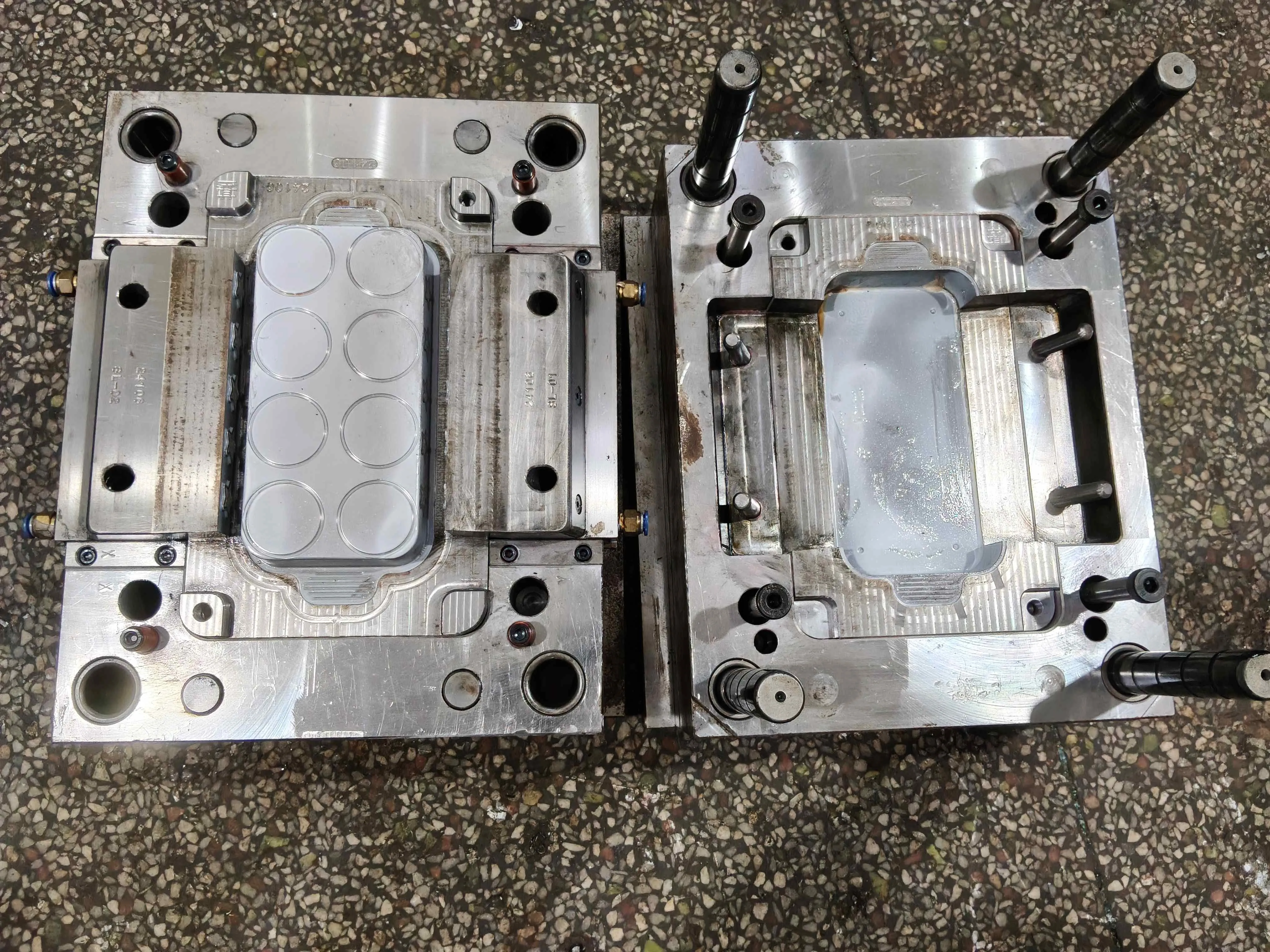
Choose the Mold Around the Development Job
The question "steel or aluminum?" sounds like a material comparison, but the better starting point is the job the mold must perform. A prototype tool may produce a few dozen parts for assembly checks, several hundred parts for engineering tests, or thousands of parts for pilot sales. Those situations place very different demands on the cavity, cooling system, ejection, finish, and maintenance plan. The right choice is the material that supports the test program without adding risk or unnecessary cost.
HPDI's prototype injection molding services use production-intent plastics and molding conditions so teams can evaluate real part behavior before committing to a long-life production mold. Tool material is one part of that strategy. It should be selected together with the resin, geometry, expected quantity, tolerance plan, cosmetic standard, and schedule for possible design revisions.
When Aluminum Can Be the Efficient Choice
Aluminum is easier to machine than many tool steels, so it can shorten fabrication time for suitable parts. It also transfers heat efficiently, which may help cooling during a limited run. For straightforward geometry, moderate dimensions, unfilled resins, and a controlled sample quantity, an aluminum mold can provide a fast route to molded evidence. It is especially useful when the team expects the part design to change after the first test cycle and does not want to overinvest in a tool that may soon be revised.
The tradeoff is lower resistance to wear, impact, and accidental damage. Narrow shutoffs, delicate cores, sliding features, abrasive materials, and demanding textures can reduce the margin for error. Aluminum also requires careful handling during assembly, polishing, sampling, and repair. A low initial price is not a benefit if a vulnerable feature interrupts the test plan or limits the number of usable samples.
Why Steel Is Often Better for Demanding Trials
Steel is generally preferred when the resin contains glass fiber or mineral filler, the part has thin cores or complex shutoffs, the tool includes slides or lifters, or the program needs a larger number of shots. Steel can also provide a more durable surface for repeated trials and a stronger base for adjustments. For parts with tight functional dimensions, repeated assembly testing, or a need to simulate production tooling more closely, that stability may matter more than the shortest possible machining time.
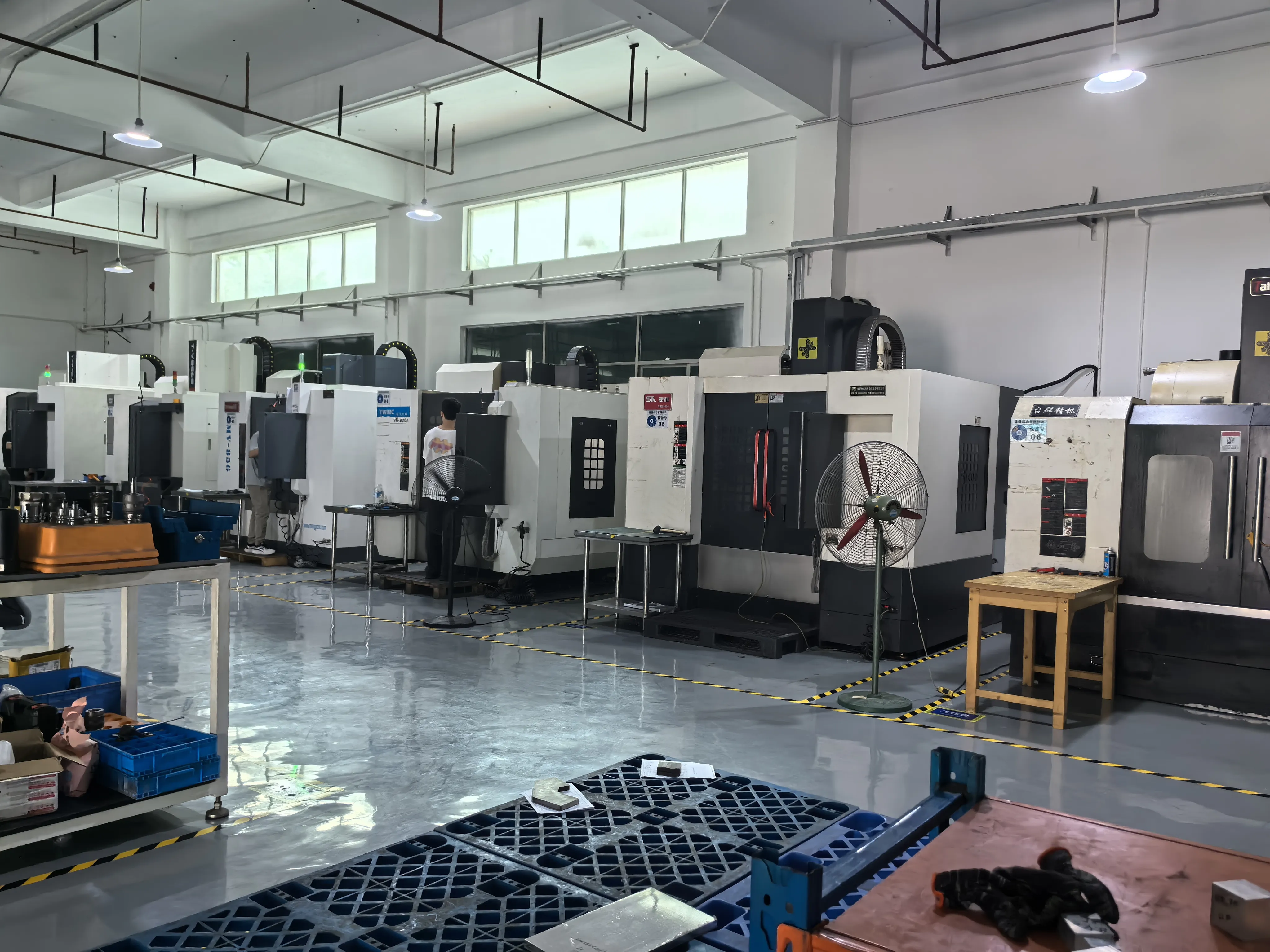
Steel does not automatically mean a fully hardened production mold. Prototype and bridge tools can use practical steel grades and simplified structures matched to the required life. Reviewing HPDI's manufacturing facilities helps customers understand the machining, moldmaking, molding, and inspection resources that support this approach.
Resin, Geometry, and Finish Change the Answer
Resin selection strongly affects tool wear and processing temperature. An unfilled ABS housing creates a different tooling requirement from a glass-filled nylon bracket. Flame-retardant grades, corrosive additives, transparent resins, and high-temperature materials may also influence the tool material and surface treatment. The moldmaker needs the exact grade whenever possible, not only a generic resin family.
Geometry can be equally decisive. Deep ribs, small-diameter cores, sharp shutoffs, textured surfaces, and areas that need repeated hand fitting favor a more robust material. Cosmetic expectations also matter. A quick functional housing and a polished visible panel do not require the same surface preparation. Relevant case study examples can help a product team describe the type of molded result it needs rather than choosing a mold material from a simple price table.
Use a Simple Decision Sequence
Before approving the mold, define six items: production-intent resin, sample quantity, critical dimensions, finish, mechanical tests, and the probability of a design change. Then identify the features most likely to wear or break. If the program needs only a short learning cycle and the geometry is forgiving, aluminum may be practical. If the tool must survive abrasive resin, repeated sampling, complex movement, or a longer pilot run, steel is usually the safer investment.
Ask the supplier to explain the recommendation in terms of the project, not preference. A useful quotation should state the proposed tool material, estimated life, cavity count, major mold actions, and assumptions about resin and quantity. Teams can contact HPDI with CAD data and the planned validation program to review those choices before tooling starts.
Document the Selection Assumptions
Keep the tooling recommendation with the approved quotation and DFM record. Note which resin, annual quantity, sample purpose, finish, and mold life were assumed. If the customer later changes from unfilled resin to a glass-filled grade or expands a short trial into repeated pilot production, the original material decision should be reviewed. This short record prevents the tool from being judged against requirements it was never designed to meet.
It also helps the production-tool team understand what the prototype mold proved and what it did not prove. A prototype tool can validate geometry and material behavior without reproducing every automation, cooling, or multi-cavity feature of the final mold.
Frequently Asked Questions
Is an aluminum mold always faster? Often, but not always. Complex inserts, slides, polishing, or late design changes can dominate the schedule regardless of cavity material.
Can a prototype steel mold be changed? Yes. Steel-safe dimensions and replaceable inserts can preserve adjustment options when likely change areas are identified early.
What information is essential for selection? Share the resin grade, expected shots, part size, critical tolerances, finish, test conditions, and future production plan.
Copyright 2026(C) HUAWEI PRODUCT DEVELOPMENT INDUSTRIAL LTD (2009-2024)
All Rights Reserved
marketing@prototypeinjectionmold.com
Contact Information :
Byron Wang
Phone: +86- 86-755-8238-2595
Mobile: +86-139-2383-5403
Email: marketing@prototypeinjectionmold.com
HPDI (HUAWEI PRODUCT DEVELOPMENT INDUSTRIAL LTD)
Address:Building 3, Puxia Industrial Zone, Liuyue, Henggang St., Longgang District, Shenzhen., China