

Low-Volume Injection Molding Cost: Complete Project Budget Guide
1. A Tool Quote Is Only One Part of the Project
Low-volume injection molding is often selected to reduce upfront investment and obtain production-like parts quickly. Buyers naturally compare tool prices, but the lowest tool line does not always produce the lowest completed-project cost. A realistic budget includes mold design and fabrication, resin, trial time, molded parts, inspection, design revisions, secondary operations, packaging, and delivery. It should also consider what happens if the first samples reveal a product issue.
HPDI's prototype injection molding services can support development samples, pilot quantities, and bridge production. The useful comparison is the cost of reaching approved parts at the required location and date, not the tool price in isolation.
2. Define Quantity by Stage
A single total quantity can hide how the parts will be used. Separate T1 engineering samples, dimensional inspection samples, assembly builds, destructive test pieces, customer or regulatory samples, pilot sales units, and spare parts. Each stage may need a different release decision. Ordering all parts before design approval can create scrap; ordering too few can trigger repeated setup and shipping costs.
Ask whether the quoted quantity includes startup loss, inspection pieces, retained samples, and replacement parts. For multiple colors or resins, each change may require drying, cleaning, setup, and approval. The information requested in the prototype molding FAQ helps suppliers estimate these conditions more accurately.
3. Understand What the Tool Price Includes
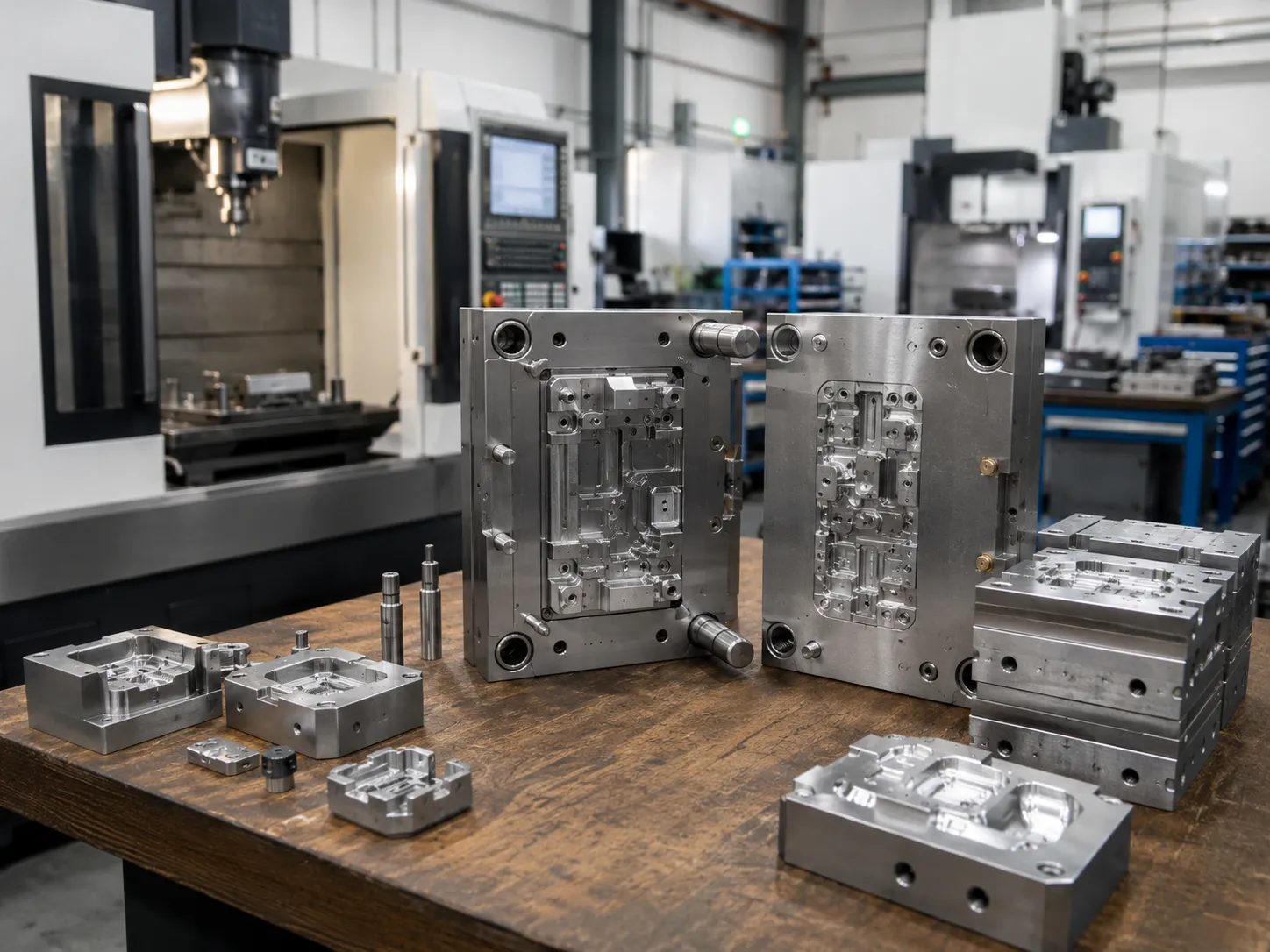
A tool quotation should identify cavity count, mold material, estimated life, major slides or lifters, surface finish, gate concept, and included trial rounds. It should also state whether the price covers mold design, standard mold-base components, sample shipping, and normal dimensional correction. Ambiguous scope makes quotations look comparable when they are not.
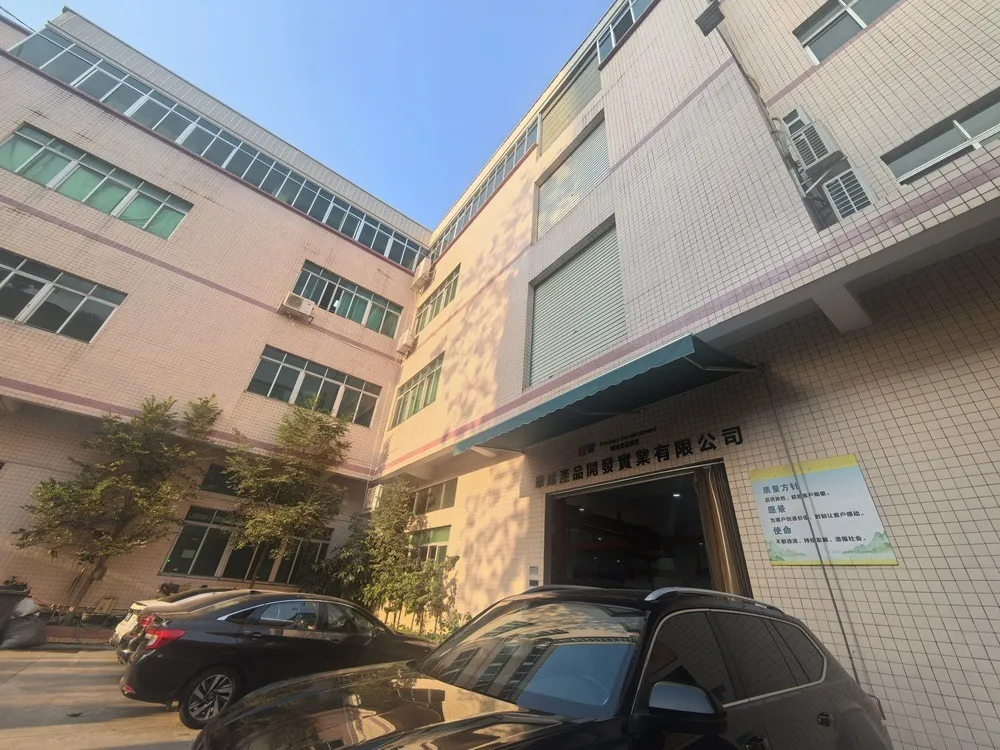
Design changes after tooling begins should be treated separately from corrections needed to meet the approved drawing. Replaceable inserts and steel-safe conditions can lower revision risk in likely change areas, but they must be planned early. Reviewing the supplier's manufacturing facilities can also reveal whether machining, molding, and inspection are coordinated in-house or passed through several vendors.
4. Add Material, Processing, and Secondary Work
Resin cost depends on grade, color, additives, purchase quantity, drying, and waste. Engineering materials or customer-specified grades may have minimum order quantities that exceed the first build. The per-part molding price also reflects machine size, cycle time, manual insert loading, degating, operator work, and process controls. A small part is not automatically inexpensive if it requires slow handling or careful inspection.
Secondary work can include trimming, drilling, tapping, painting, printing, laser marking, bonding, assembly, thread inserts, protective film, or individual packaging. List these operations in the RFQ rather than adding them after samples arrive. A quote for unfinished molded parts cannot be compared fairly with a quote for packaged assemblies.
5. Budget Inspection and Logistics Deliberately
Inspection scope should match risk. A simple visual sample may need only basic dimensional checks, while a precision structural part may require a defined report, fixture, capability study, material certificate, or full traceability. Clarify the sample size and acceptance standard. Inspection work has value because it prevents a larger shipment from carrying an undetected issue.
For international projects, include export packaging, courier or freight, duties, taxes, and the cost of schedule uncertainty. Shipping parts in two planned batches may reduce development risk, even if freight is slightly higher. Teams can contact HPDI with the CAD file, resin, stage quantities, finish, inspection needs, and destination to receive a quotation built around the full project scope.
6. Compare Quotations on the Same Basis
Create a simple comparison with tool scope, estimated life, included trials, part quantity, resin, secondary operations, inspection, packaging, shipping terms, lead time, and change policy. Note every assumption and exclusion. A supplier that asks detailed questions may appear slower at the quotation stage but can reduce surprises after purchase order approval.
The best budget leaves a controlled reserve for learning. Prototype molding exists because the team expects to discover something before mass production. Planning a reasonable allowance for one design adjustment, an additional sample batch, or a second material trial is often more responsible than presenting an unrealistically fixed number that cannot survive normal development.
7. Model a Base Case and a Learning Case
Prepare two internal budgets. The base case assumes the first planned correction and sample schedule succeeds. The learning case adds one extra tool adjustment, another molding setup, additional resin, inspection, and expedited sample freight. This is not an invitation to spend more; it gives the project manager a realistic range and a clear trigger for contingency approval.
Track actual cost by stage instead of waiting until the final invoice. When a new request appears, identify whether it improves product knowledge, changes the approved scope, or corrects supplier work. That classification supports fair commercial discussion and helps future projects estimate similar risks with better evidence.
8. Frequently Asked Questions
Why does part price change with quantity?
Setup, material handling, startup loss, inspection, and packaging are spread across the order, while larger runs may also require more tool maintenance.
Should shipping be included in the tooling quote?
It can be listed separately, but the buyer should include it in the total landed-cost comparison.
What prevents unexpected charges?
A complete RFQ, documented assumptions, clear change ownership, and written approval before out-of-scope work begins.