

Injection Molding Cost: 6 Key Factors and Pricing Guide
Introduction
Injection molding cost is rarely determined by a single number. A quotation combines tooling investment, resin consumption, machine time, labor, inspection, finishing, packaging and the expected production quantity. For a new product, the most useful question is not simply, ‘How much does injection molding cost?’ but ‘Which design and production decisions are driving the cost?’ Understanding those drivers helps engineering teams compare prototype tooling, bridge tooling and production molds on the same basis. HPDI’s prototype injection molding services are designed for projects that need production-like molded parts before committing to long-life mass-production tooling.
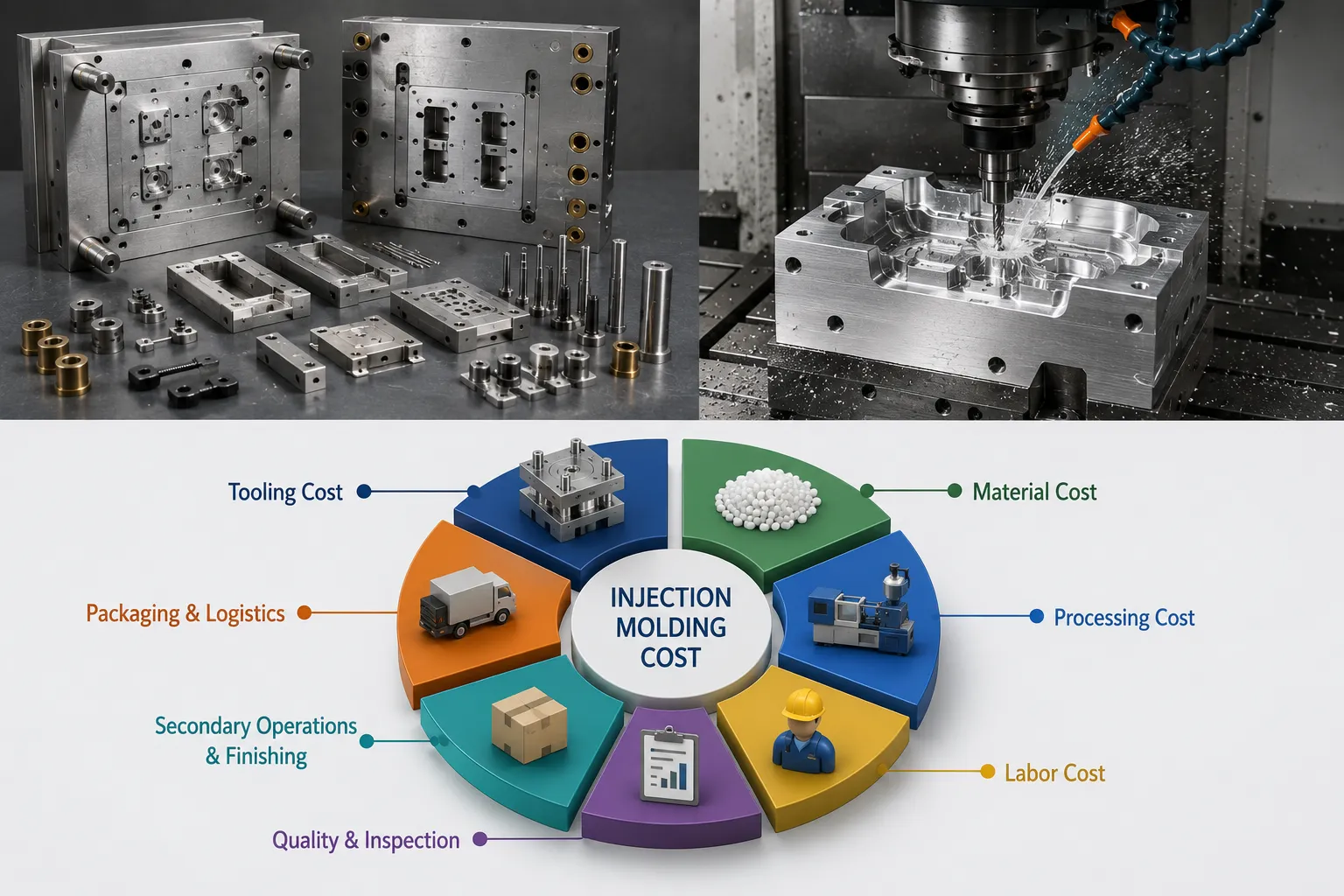
Key Injection Molding Cost Drivers
| Cost Driver | Typical Effect on Cost | Cost-Control Approach |
|---|---|---|
| Mold complexity | Higher tooling investment | Simplify undercuts; validate in one cavity |
| Part size / wall thickness | More resin and machine time | Optimize wall thickness and cooling |
| Engineering resin | Higher resin and tooling demand | Select material by function, not over-specification |
| Tight tolerances | More precision and inspection | Prioritize only critical dimensions |
| Production quantity | Changes best tooling strategy | Compare prototype, bridge and production molds |
1. Mold Complexity Is Usually the Largest Upfront Cost
The mold is typically the largest initial expense. A simple two-plate, single-cavity mold is easier to design and manufacture than a tool with multiple cavities, slides, lifters, unscrewing mechanisms, hot runners or complex inserts. Deep ribs, internal undercuts and difficult parting lines also increase machining and fitting work. Cost can often be reduced by simplifying undercuts, using manual inserts for early prototype runs, or validating the design in one cavity before expanding capacity. The correct choice depends on expected volume rather than on choosing the cheapest mold structure in isolation.
2. Part Geometry Changes Both Tooling and Cycle Cost
Wall thickness, overall part size, projected area and flow length influence the machine size and cooling time required. Large parts need more clamping force and more resin, while thick sections usually cool more slowly. Very thin walls may require higher injection pressure, more demanding gate design and a stable processing window. Ribs, bosses and snap-fits can improve function, but they should be designed with manufacturability in mind. A DFM review before steel is cut can remove avoidable machining features and reduce later rework.
3. Material Choice Has a Direct and an Indirect Cost
Resin price varies widely. Commodity materials such as PP or ABS may be economical for many applications, while glass-filled nylon, PC blends, PEEK or other high-performance engineering plastics can be substantially more expensive. The resin also affects mold design and processing. Abrasive glass-filled grades may require harder tool steels; high-temperature resins may require specialized heaters, hot-runner components or tighter temperature control. When selecting material, compare functional requirements with total manufacturing cost rather than resin price alone.
4. Quantity Determines the Best Tooling Strategy
The same part can justify very different tooling depending on whether the project needs 50, 500, 5,000 or 500,000 pieces. For a low or uncertain quantity, a simplified prototype or bridge mold can reduce initial investment. When demand becomes stable, a production mold with more cavities, automation and longer tool life can lower the unit cost. This is why HPDI’s case study and molded prototype examples are relevant for development teams: the goal is to verify the part and molding behavior before scaling the tooling strategy.
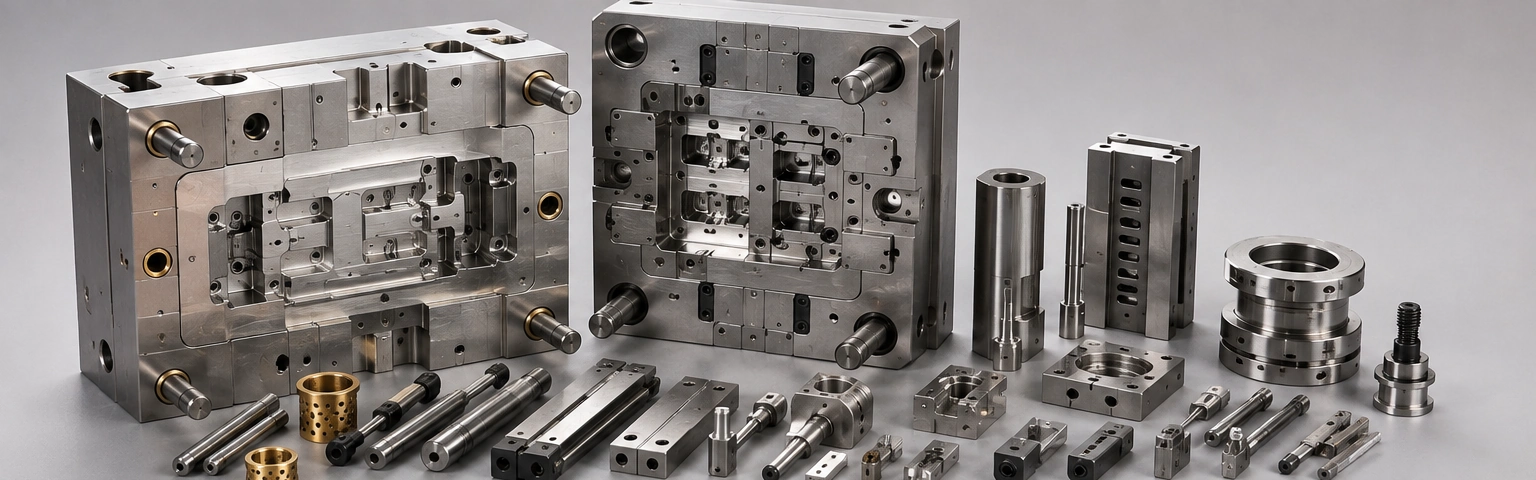
5. Tolerance, Surface and Inspection Requirements Add Cost
Tight tolerances require greater mold accuracy, more stable molding conditions and more inspection. Cosmetic textures, polishing, transparent surfaces, insert alignment and dimensional reports also add manufacturing effort. Not every dimension should be assigned the same tolerance. Identify critical-to-quality features, sealing surfaces, assembly interfaces and safety-related dimensions, while allowing practical tolerances on non-critical areas. This reduces unnecessary tool corrections and inspection time.
6. Secondary Operations Should Be Included in the Quote
Injection molding may only be one part of the finished component cost. Threaded inserts, painting, pad printing, laser marking, ultrasonic welding, assembly, packaging and special testing can all affect the final price. These operations should be defined early so that the mold design leaves enough space for fixtures and assembly access. If the project is still changing, prototype tooling can be used to test both the molded part and downstream assembly steps before the production process is fixed.
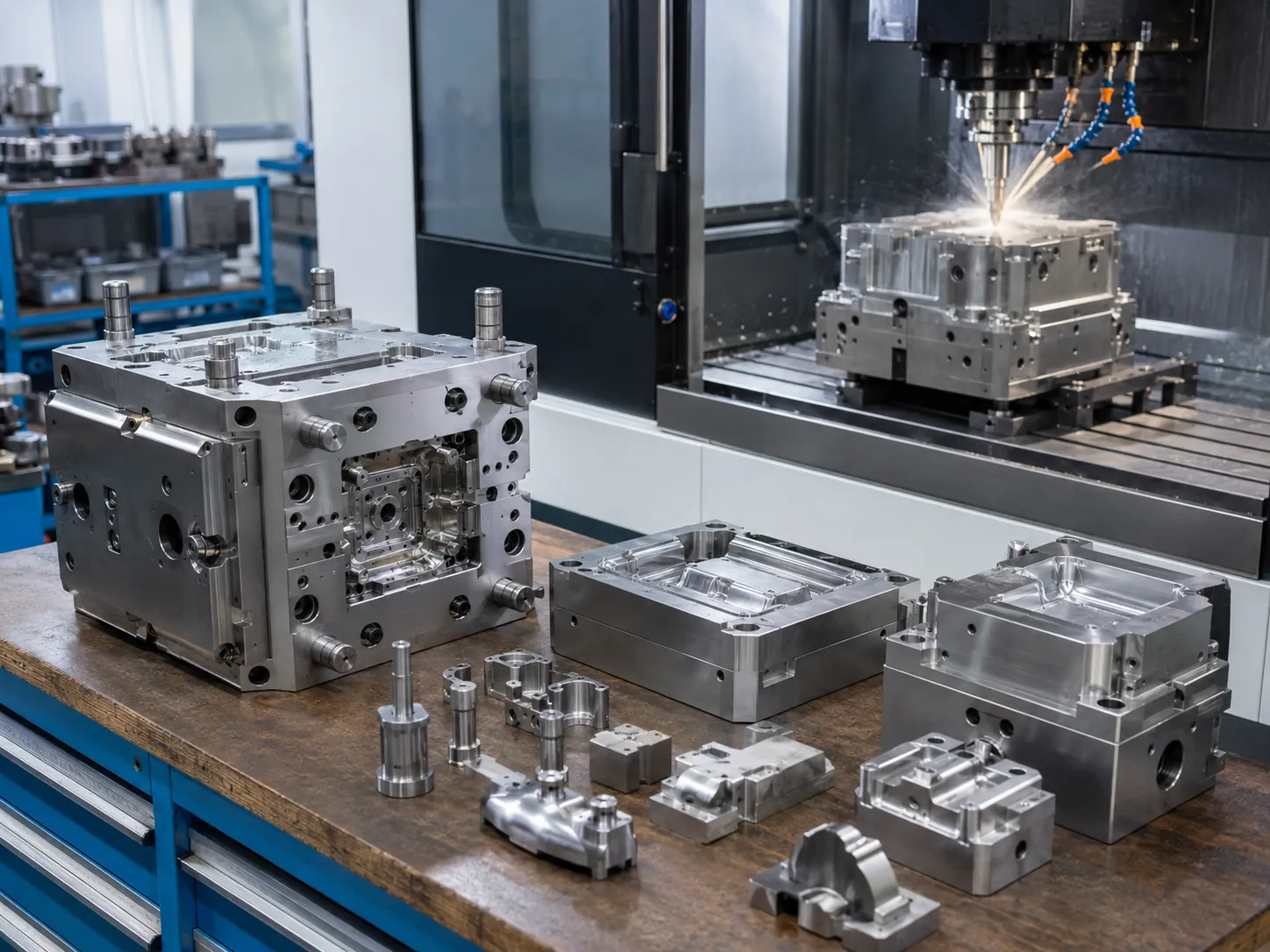
How to Request a More Accurate Injection Molding Quote
Provide a 3D CAD model, 2D drawing, resin grade, estimated quantities, surface requirements, expected tool life and any critical dimensions. If the annual forecast is uncertain, request more than one scenario: prototype tooling, bridge tooling and full production tooling. Also explain what the first molded parts will be used for—engineering validation, certification, market trials or saleable production. The FAQ explains the type of project information normally required for mold quotations, while the facilities page shows the manufacturing and molding resources available for tool building and part production.
Conclusion
Injection molding cost is the result of design, tooling and production decisions working together. The lowest-cost solution for a prototype is not always the lowest-cost solution at scale, and a production mold is not always justified for a design that is still changing. By reviewing geometry, material, tolerance, quantity and secondary operations before tooling begins, product teams can select a mold strategy that protects both development budget and future production efficiency. For a project-specific comparison, submit the CAD data and volume requirements through the HPDI contact page.