

Prototype Injection Molding Cost: Tooling & Budget Guide
Introduction
Prototype injection molding is used when a development team needs real molded parts from the intended production resin before investing in a full production mold. The cost is higher than printing a few visual samples, but the information gained is also different: engineers can evaluate resin flow, shrinkage, warpage, snap-fits, weld lines, assembly and dimensional stability under injection-molding conditions. A useful budget therefore includes not only the tool itself but also mold trials, design changes, material, molded samples and inspection. HPDI’s prototype injection molding service covers this bridge between early prototypes and formal production.
Key Prototype Injection Molding Budget Items
| Budget Item | Why It Matters | Typical Decision |
|---|---|---|
| Tool construction | Largest upfront item | Aluminum / steel, inserts, slides, cavities |
| Mold trials | Validates fill and dimensions | Number of trials and adjustment scope |
| Resin | Affects performance and processing | Production-grade resin and color |
| Inspection | Confirms critical geometry | Key dimensions vs full report |
| Sample quantity | Affects machine and labor time | Engineering samples or pilot batch |
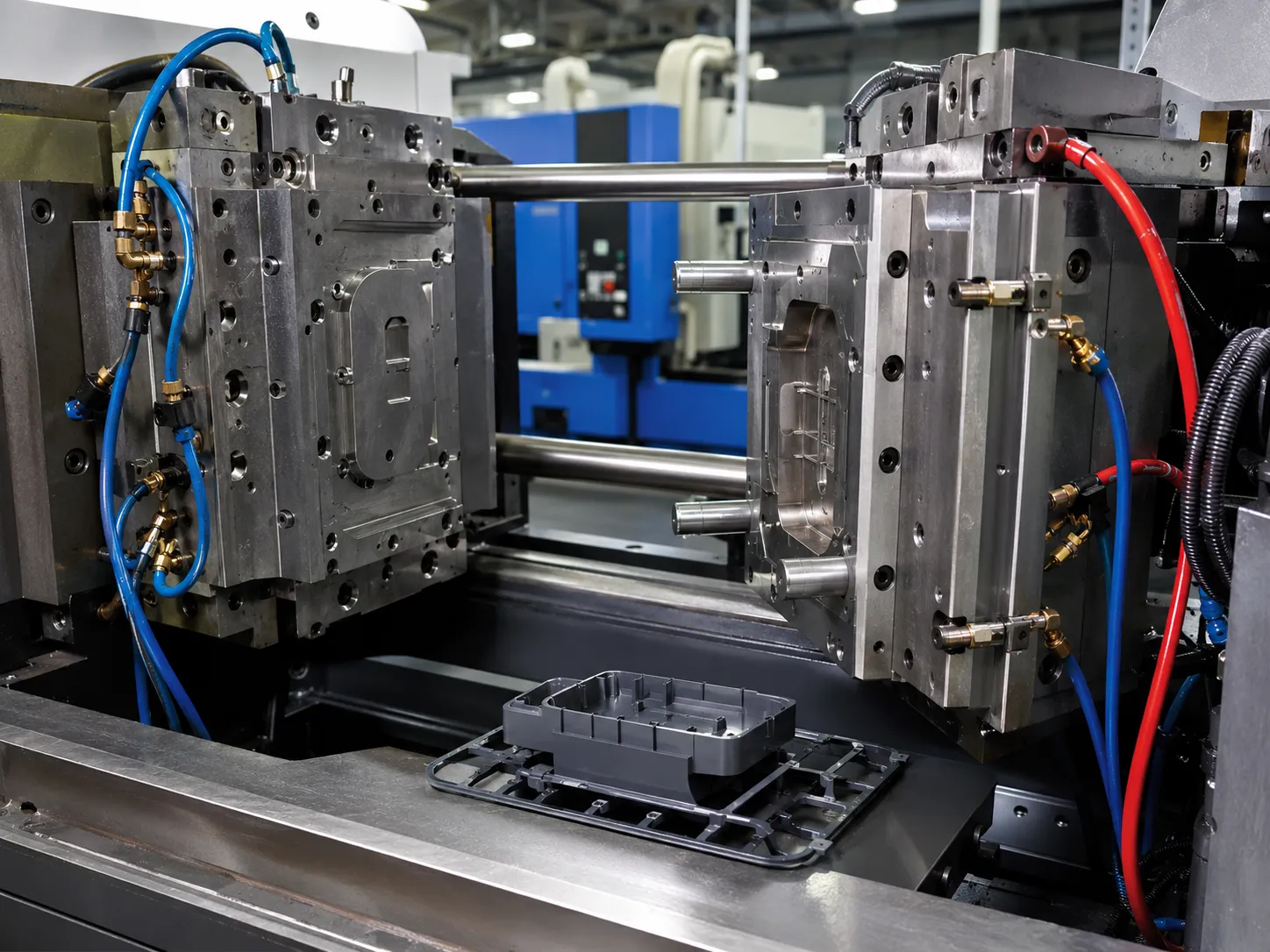
1. Start with the Purpose of the Prototype Mold
Prototype tooling can serve several purposes. Some projects need ten to fifty molded parts for design verification. Others require hundreds or thousands of parts for engineering builds, field tests or pilot sales. A tool made only for a short validation run can be simplified more aggressively than a bridge mold expected to support repeated low-volume production. Before requesting a quote, define the expected first-run quantity, total lifetime quantity and whether the tool may be reused after design approval.
2. Part Design Has a Major Impact on Prototype Tool Cost
A small housing with a straight pull, simple gate and basic ejector layout can be economical to tool. A similar-size part with side holes, deep undercuts, threads and multiple cosmetic surfaces may require sliders, lifters or manual inserts. Manual inserts are often a useful prototype strategy because they reduce automation cost while still creating production-like geometry. However, the labor required to load and remove them should be considered if the batch becomes larger.
3. Tool Material Should Match the Validation Plan
Aluminum, pre-hardened steel and harder tool steels can all be used in rapid or prototype tooling depending on geometry, resin and expected shots. There is no single best material. A soft, low-abrasion resin and a limited quantity may not justify the same steel selection as a glass-filled engineering plastic used for thousands of cycles. The goal is to choose sufficient strength, wear resistance and dimensional stability without paying for tool life that the project will never use.
4. Mold Trial and Revision Allowance Matters
The first molded parts are not simply the final deliverable; they are part of the validation process. A T0 or first trial can expose short shots, sink, flash, warpage, difficult ejection or dimensional drift. Budget should allow for reasonable tuning of gates, vents, packing conditions or local steel adjustments. If a major product-design change is likely, it is often more economical to validate risky features early rather than polishing and finishing the entire tool before the first trial.
5. Material and Sample Quantity Change the Total Cost
Prototype molding normally uses the intended production thermoplastic so that functional testing is meaningful. Resin cost, minimum purchase quantities, color matching, drying requirements and special additives should be included. The number of samples also matters because additional machine time, inspection and packaging are required. For engineering builds, ask whether the parts need full dimensional reports or only selected critical dimensions. The facilities page provides an overview of HPDI’s mold manufacturing and injection molding equipment used for this type of work.
6. Compare Prototype Tooling with Alternative Processes
For one or two concept models, 3D printing or CNC machining may be more economical because no mold is required. Prototype injection molding becomes more attractive when the final resin, molded surface, repeatable assembly behavior or larger quantity is important. It can also reduce downstream risk by identifying molding issues before production tooling. The case study page describes how injection-molded prototypes are used to test the production material and discover process or material issues earlier.
How to Lower Prototype Injection Molding Cost Without Losing Useful Data
Keep the first tool focused on critical functions. Use one cavity unless higher output is required. Avoid unnecessary cosmetic finishing before the design is stable. Separate essential undercuts from features that can be machined or assembled later. Mark truly critical dimensions on the drawing, and give the supplier expected quantities for both the first build and future builds. These decisions help the mold maker choose a practical level of tooling rather than over-engineering the prototype.
Additional Planning Consideration
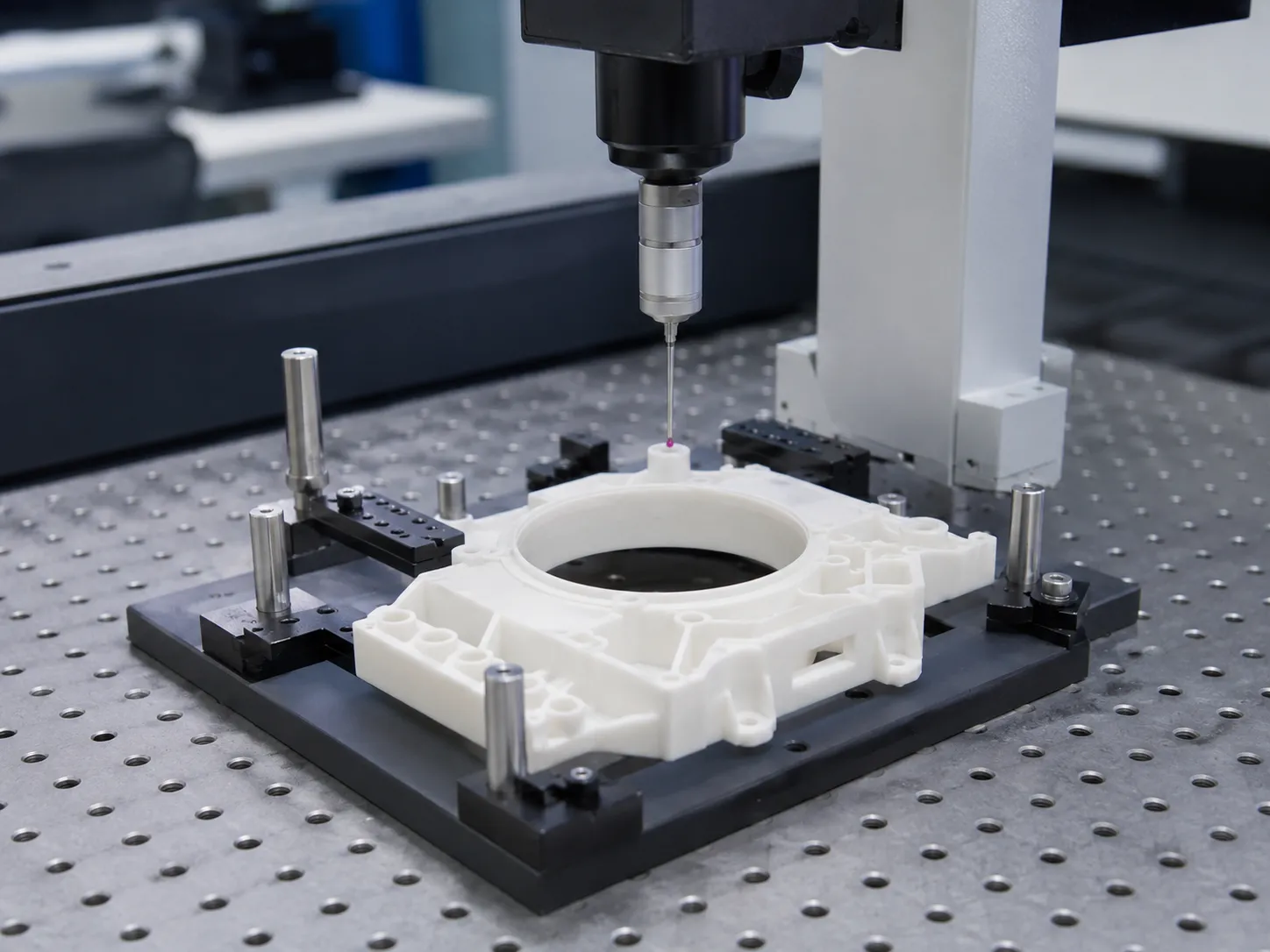
Another budgeting point is ownership of learning. The prototype program should produce records that remain useful after the first tool has done its job: approved resin, critical dimensions, gate observations, shrinkage behavior, process settings and known design risks. These records reduce duplicated work when the project moves into a production mold and make the prototype-tool investment more valuable than the physical tool alone.
Conclusion
A prototype injection molding budget should be evaluated as a development investment, not only as a mold purchase. The right tool provides enough accuracy and durability to answer engineering questions while remaining flexible for change. By defining quantity, material, tool life, critical dimensions and validation objectives before quotation, teams can obtain a cost structure that is easier to compare and control. The FAQ lists common quotation information, and project files can be sent through the contact page for a project-specific tooling review.