

Small Batch Injection Molding: When It Makes Sense
Introduction
Small batch injection molding sits between one-off prototyping and high-volume production. It is useful when a company needs real thermoplastic parts in quantities that are too high for repeated CNC machining or 3D printing but too low, uncertain or time-sensitive to justify a complex production mold. Typical applications include pilot builds, field testing, market launch quantities, replacement components and low-demand industrial products. HPDI includes low-volume injection molding within its prototype and bridge-tooling services, allowing the same project to move from validation to small-series production.
Small Batch Manufacturing Methods Compared
| Method | Typical Strength | Main Limitation | Best Stage |
|---|---|---|---|
| 3D printing | Fast, no tooling | Material/process not identical | Concept |
| CNC machining | Accurate functional parts | Higher unit cost | Functional prototype |
| Small batch injection molding | Production resin and repeatability | Requires tooling | Pilot / low volume |
| Production injection molding | Lowest unit cost at scale | Higher upfront investment | Stable high volume |
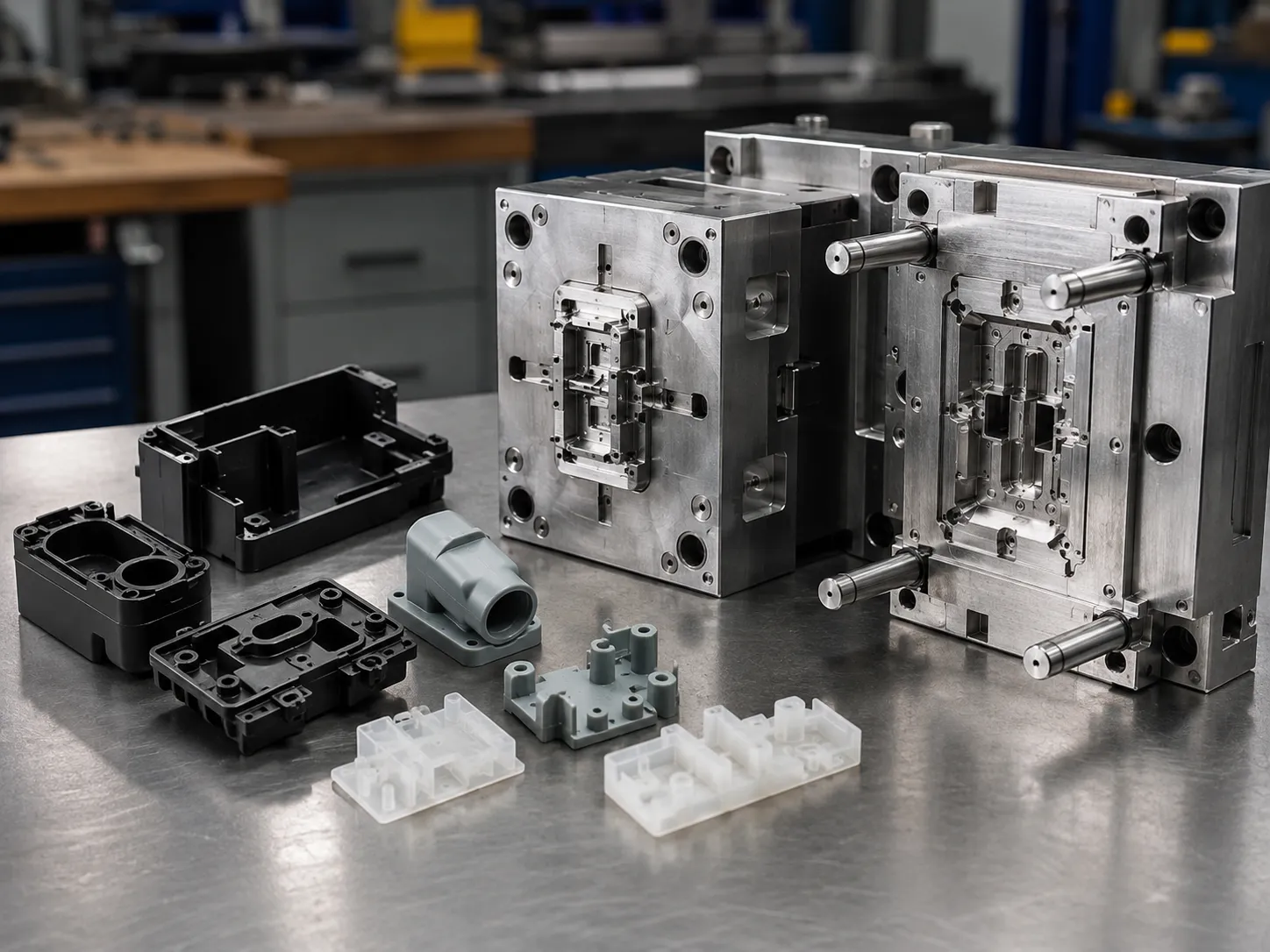
1. The Quantity Is Important, but It Is Not the Only Decision
There is no universal quantity at which small batch injection molding becomes economical. A simple part may justify tooling at a relatively low quantity, while a large complex component with expensive resin may require a different break-even point. The correct comparison considers tooling, unit cost, secondary operations, quality requirements and how many reorders are expected. It is often more useful to compare several realistic production scenarios than to search for one fixed quantity threshold.
2. Small Batch Molding Is Valuable When the Final Material Matters
Additive manufacturing can be excellent for concept verification, but printed materials may not reproduce the behavior of a molded production resin. If the product uses glass-filled nylon, PC-ABS, POM, PP, TPE or another engineering resin, molded parts can provide more meaningful data on shrinkage, warpage, weld lines, surface finish and mechanical behavior. This makes small batch molding especially useful for engineering tests and assemblies where production-like material performance is essential.
3. Pilot Production Can Reveal Problems That a Few Samples Miss
A handful of prototypes may confirm that a design fits together, but a batch of hundreds can reveal variation. Engineers can evaluate cycle-to-cycle dimensions, assembly yield, operator handling, cosmetic consistency, packaging damage and failure modes that may not appear in ten samples. The case study page explains the value of molded prototypes for testing production materials and identifying process-related issues before mass production.
4. Bridge Tooling Keeps Initial Investment Under Control
A small batch program often uses a simplified bridge or rapid mold. The tool may have one cavity, a simpler mold base or manual actions rather than full automation. Those decisions reduce initial tooling complexity while preserving the injection-molding process needed for useful validation. If demand grows, the engineering data from the bridge tool can inform a later production mold with more cavities, automation and cooling capacity.
5. When Small Batch Injection Molding Is Not the Best Choice
For one to five concept parts, 3D printing or machining may be faster and more economical. If a design is changing every few days, cutting metal too early can create unnecessary rework. At the other extreme, if demand is already stable at high annual volume, it may be better to invest directly in a production mold designed for automation and low unit cost. Small batch molding is strongest when the design is relatively mature but the market, quantity or final production plan is still being validated.
6. Cost Control Starts with DFM
To keep a small batch project economical, review wall thickness, draft, ribs, bosses, undercuts, gate position and tolerances before tooling. Unnecessary slides, extreme tolerances and cosmetic requirements can increase both tool cost and lead time. A practical prototype mold should focus on the characteristics that need to be proven. The FAQ shows the project information that helps a mold supplier prepare a more accurate quotation.
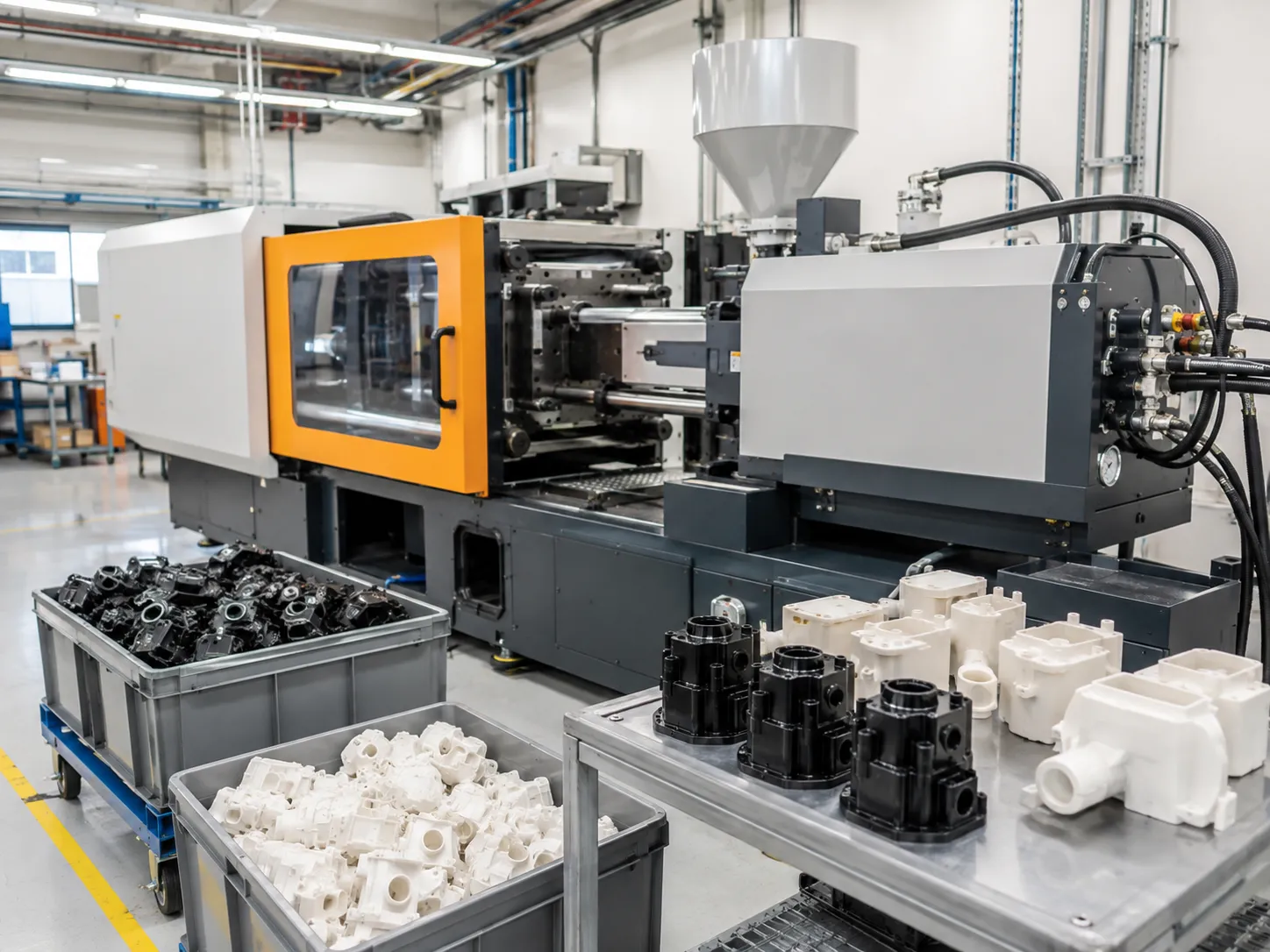
7. Use Facilities and Inspection Capacity as Part of Supplier Selection
Small batch work is still production work. The supplier should be able to build the mold, run the intended material, measure critical dimensions and support revisions. This is especially important when the same supplier will later upgrade or replace the tool for production. HPDI’s facilities overview lists its CNC, EDM, measurement and injection molding resources, which are relevant when evaluating whether prototype tooling and molding can be handled within one workflow.
Additional Planning Consideration
Small batch programs also benefit from scheduling discipline. Resin purchasing, mold setup, machine availability, inspection and secondary operations can create a longer total lead time than molding time alone. A realistic plan should therefore identify which parts are needed first, which tests must be completed before the next build, and whether the mold should remain available for quick repeat orders after the first pilot run.
Practical Project Tip
Before tooling approval, hold a short review with design, manufacturing, quality and purchasing. Confirm the drawing revision, resin, quantities, critical dimensions, cosmetic requirements, expected tool life and approval process. This simple cross-functional check prevents many quotation and tooling changes caused by different teams working from different assumptions.
Conclusion
Small batch injection molding makes sense when a project needs production-like materials and repeatable molded parts without committing immediately to high-volume tooling. It is particularly effective for pilot builds, market validation, engineering verification and products with modest or uncertain demand. The best results come from matching the tool design to the real quantity and validation plan rather than trying to make a prototype tool behave like a full production system. To compare small-batch tooling options for a specific part, use the contact page to share CAD data and expected volumes.