

Prototype Injection Molding Material Selection Guide
Introduction
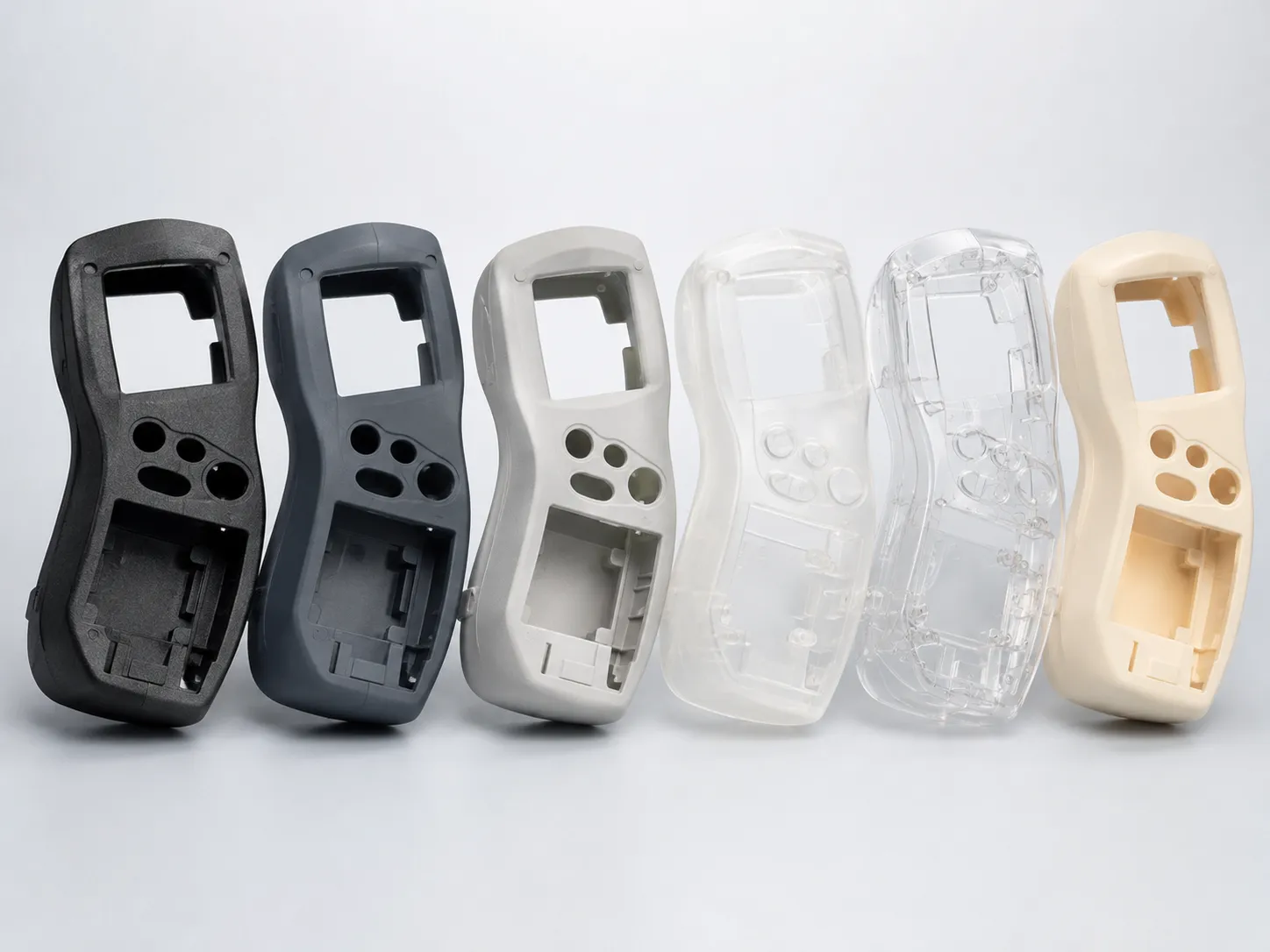
Material selection is one of the main reasons to use injection-molded prototypes rather than relying only on visual models. A printed or machined prototype can confirm shape and fit, but the final production resin may shrink, warp, absorb moisture, respond to temperature or fail under load in a different way.
Prototype injection molding allows engineers to evaluate the intended resin under actual molding conditions. HPDI’s prototype injection molding services support this stage of material and process validation.
| Material Family | Common Strength | Design Consideration |
|---|---|---|
| PP | Chemical resistance, low density | Stiffness and shrinkage |
| ABS / PC-ABS | Appearance and balanced properties | Heat and chemical exposure |
| PC | Impact resistance, transparency options | Stress cracking and drying |
| POM | Low friction, dimensional consistency | Gate and shrinkage control |
| PA / GF-PA | Strength and stiffness | Moisture and fiber orientation |
| PEEK / PPS | High-temperature performance | Higher processing and tooling demands |
1. Begin with Functional Requirements, Not Resin Names
Start with what the component must do. Does it carry structural load? Is it exposed to heat, sunlight, fuels, cleaners or humidity? Does it need transparency, electrical insulation, wear resistance, flexibility or low friction? Is it a snap-fit or a rigid housing?
These questions narrow the material family before price is considered. Choosing an expensive engineering resin without a clear performance need can increase both material and tooling cost without improving the product.
2. Understand the Difference Between Stiffness and Toughness
A stiff material resists deformation, while a tough material absorbs energy before failure. These properties are not the same. Glass-filled nylon can provide high stiffness, but fiber orientation may influence warpage. Polycarbonate can offer high impact resistance, but processing and chemical exposure must be evaluated.
POM is often selected for low friction and dimensional consistency in moving components, while PP can be useful where chemical resistance or living-hinge behavior is important. The final choice depends on the complete functional requirement set.
3. Consider Temperature and Environment
Service temperature affects long-term material performance. A resin that works well at room temperature may soften, creep or lose impact strength when exposed to heat.
Moisture-sensitive materials such as some nylon grades can change dimensions and mechanical properties after conditioning. Outdoor components may require UV stabilization, while medical and laboratory components may need resistance to disinfectants or sterilization methods. Prototype parts should therefore be evaluated in conditions that represent actual service use.
4. Material Choice Influences Mold Design
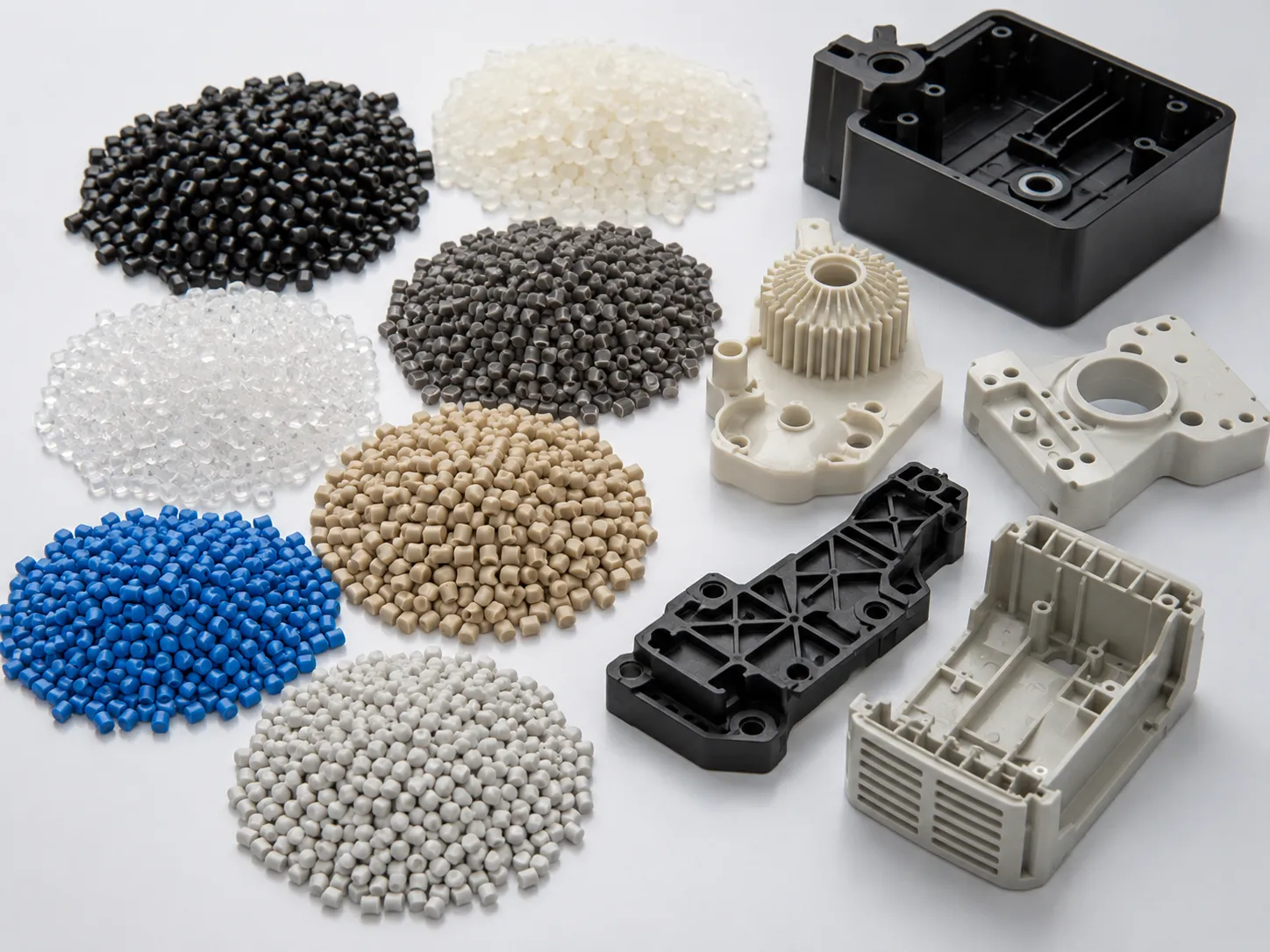
Different resins have different shrinkage, viscosity, abrasive behavior and processing temperatures. A glass-filled grade may require more wear-resistant tooling, while a high-temperature polymer can place greater demands on heaters, insulation and mold temperature control.
A low-viscosity resin may also flash through venting conditions that are acceptable for another polymer. Material selection should therefore be discussed before the prototype mold design is frozen.
5. Evaluate Appearance and Secondary Processes
Color, gloss, texture, transparency, painting, printing, plating, bonding and welding can all affect the material decision. Two resins with similar mechanical properties may behave very differently during ultrasonic welding or adhesive bonding.
If a component will be assembled with inserts or overmolded with a soft material, compatibility should be validated during prototype molding rather than assumed from a material datasheet.
6. Use Molded Samples to Compare Candidate Resins
When more than one material is technically possible, a prototype tool can be used to mold comparative samples. Engineers can inspect dimensions, warpage, gate appearance, snap-fit behavior and assembly force using production-representative materials.
The prototype molding case studies show why production materials are valuable in molded prototypes, allowing material and process-related problems to be detected before production tooling.
7. Do Not Ignore Supply and Production Practicality
A resin may be technically suitable but difficult to source in the required color, certification or regional supply chain. Minimum order quantities, lot consistency and drying requirements can also affect production planning.
If the product is expected to scale, confirm whether the same resin grade will remain available for pilot production and mass production. The FAQ and facilities overview provide additional information for planning prototype molding and production requirements.
8. Compare Materials with Controlled Test Geometry
When comparing materials, use the same test geometry whenever practical. Changing resin and part geometry at the same time can make test results difficult to interpret.
Controlled comparison parts allow the engineering team to separate material behavior from geometry-related behavior. This is particularly useful for snap-fits, threaded bosses, thin ribs and long flat surfaces where stiffness, shrinkage and fiber orientation can interact strongly.
9. Complete a Cross-Functional Material Review
Before tooling approval, hold a short review with design, manufacturing, quality and purchasing. Confirm the drawing revision, resin grade, expected quantity, critical dimensions, cosmetic requirements, expected tool life and approval process.
This cross-functional review helps prevent quotation changes and material substitutions caused by different teams working from different assumptions.
10. Validate Post-Molding and Life-Cycle Conditions
A final material-selection review should consider what happens after molding. Parts may be stored, shipped, assembled with metal fasteners, exposed to lubricants, bonded to other materials or subjected to repeated thermal cycles.
These downstream conditions can reveal differences that are not obvious during a short molding trial. Including them in the validation plan helps the team select a resin that performs through the complete product life cycle rather than only during molding.
Conclusion
Choosing injection molding materials for prototypes is an engineering decision that connects product function, molding behavior and supply requirements. Strength, heat resistance, chemical exposure, dimensional stability and cosmetic requirements should be defined before comparing resin candidates.
Prototype molding is especially valuable when the material itself is part of what must be validated. Testing the intended resin before production tooling can reduce the risk of redesign caused by unexpected shrinkage, warpage, assembly behavior or environmental performance.
For a project-specific material discussion, submit the part requirements through the contact page.