

Prototype Injection Mold Modification: T1, T2 & T3 Guide
Why Modification Is Part of Product Development
The first injection-molded prototype is rarely the end of product development. Even when the original CAD design appears complete, the first mold trial may reveal unexpected dimensional, assembly, strength, cosmetic, or molding problems. This is why prototype injection mold modification is an important part of the validation process rather than an indication that the project has failed.
What Happens during the First Mold Trial?
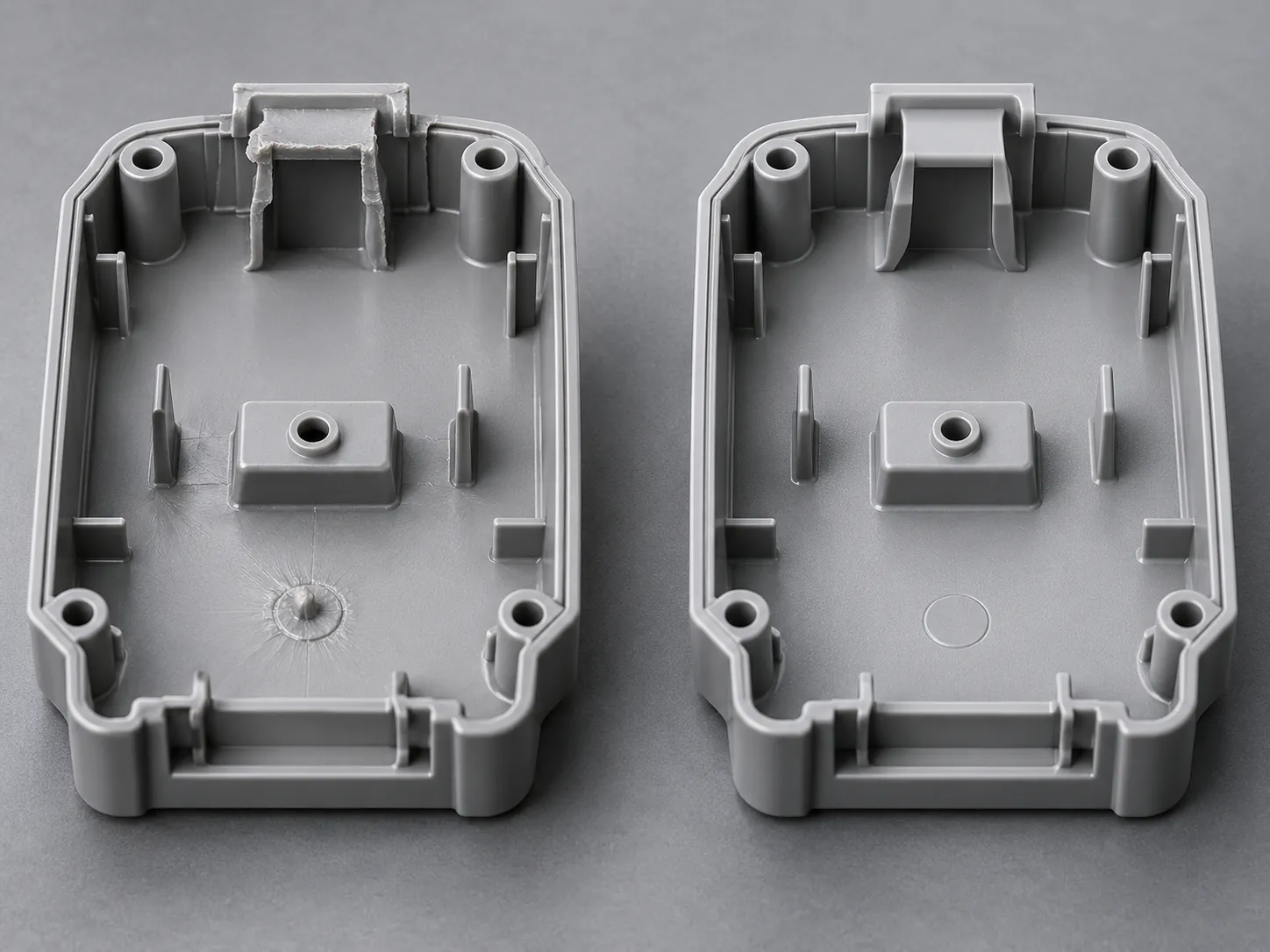
The first mold trial is commonly referred to as T1. During T1, the mold manufacturer evaluates whether the tooling can produce stable molded parts. The team checks filling, gate behavior, ejection, flash, sink marks, weld lines, warpage, dimensions, and appearance. The molded samples are then sent for engineering evaluation and assembly testing. Learn more about HPDI's prototype injection molding services.
Why Design Changes Are Normal
A CAD model cannot perfectly predict every interaction between geometry, plastic resin, tooling, and processing conditions. Engineers may discover that a snap-fit is too stiff, a boss cracks during assembly, a housing is slightly warped, a connector opening is misaligned, a sealing surface requires more compression, or a rib creates a sink mark. These discoveries are part of converting a digital design into a reliable molded product.
Use Steel-Safe Design Principles
When possible, mold designers should anticipate areas that may need future adjustment. A common principle is to leave the tool steel-safe. This means the tool is initially manufactured so that material can be removed later to increase a molded dimension. Adding metal back to a mold is generally more difficult than removing it, so planning likely adjustments before machining can make later modifications easier. Learn more about HPDI's manufacturing facilities.
Replaceable Inserts Increase Flexibility
Areas likely to change can be manufactured as separate inserts. Typical examples include snap features, connector openings, bosses, logos, sealing areas, and complex local geometry. Instead of modifying the entire cavity, the mold maker may replace or re-machine only the affected insert. This is especially valuable for prototype molds used during active product development.
Rib, Boss, and Snap-Fit Changes
Ribs and bosses frequently require adjustment after testing. A rib may need to become thinner to reduce sink marks or thicker to improve structural support. A screw boss may require changes to inner diameter, outer diameter, height, draft, or supporting ribs. Snap-fits are also sensitive to material stiffness and geometry, and molded production-grade resin may behave differently from printed prototypes. Learn more about HPDI's case studies.
Gate Changes
The first molding trial may reveal that the original gate location creates a visible mark, a weak weld line, poor filling, excessive pressure, or warpage. Prototype tooling provides an opportunity to test gate modifications before the production mold layout is fixed. Aluminum tooling can often make this type of adjustment efficient.
Correcting Warpage
Warpage can sometimes be reduced through process changes, but geometry or tooling changes may also be required. Possible corrections include changing rib thickness, balancing wall sections, modifying gate position, improving cooling, or adjusting local dimensions. The root cause should be identified before modifications are made. Learn more about HPDI's FAQ.
Document Every Engineering Change
Each change should be controlled carefully. Useful records include CAD revision, drawing revision, modification date, reason for change, mold area affected, T1/T2/T3 sample results, dimensional reports, and customer approval. Good change control prevents confusion when multiple tooling revisions occur during development.
Set Change Priorities after T1
T1 often produces a long list of observations, but not every issue should be modified at once. Separate critical functional problems from cosmetic preferences and minor dimensional offsets. Correct filling, ejection, assembly interference, sealing, and structural failures first. Once the part functions reliably, secondary appearance and convenience changes can be addressed. This staged approach makes it easier to understand which modification caused each improvement and reduces the risk of introducing new variables simultaneously. Learn more about HPDI's submit drawings.
Know When to Recut an Insert
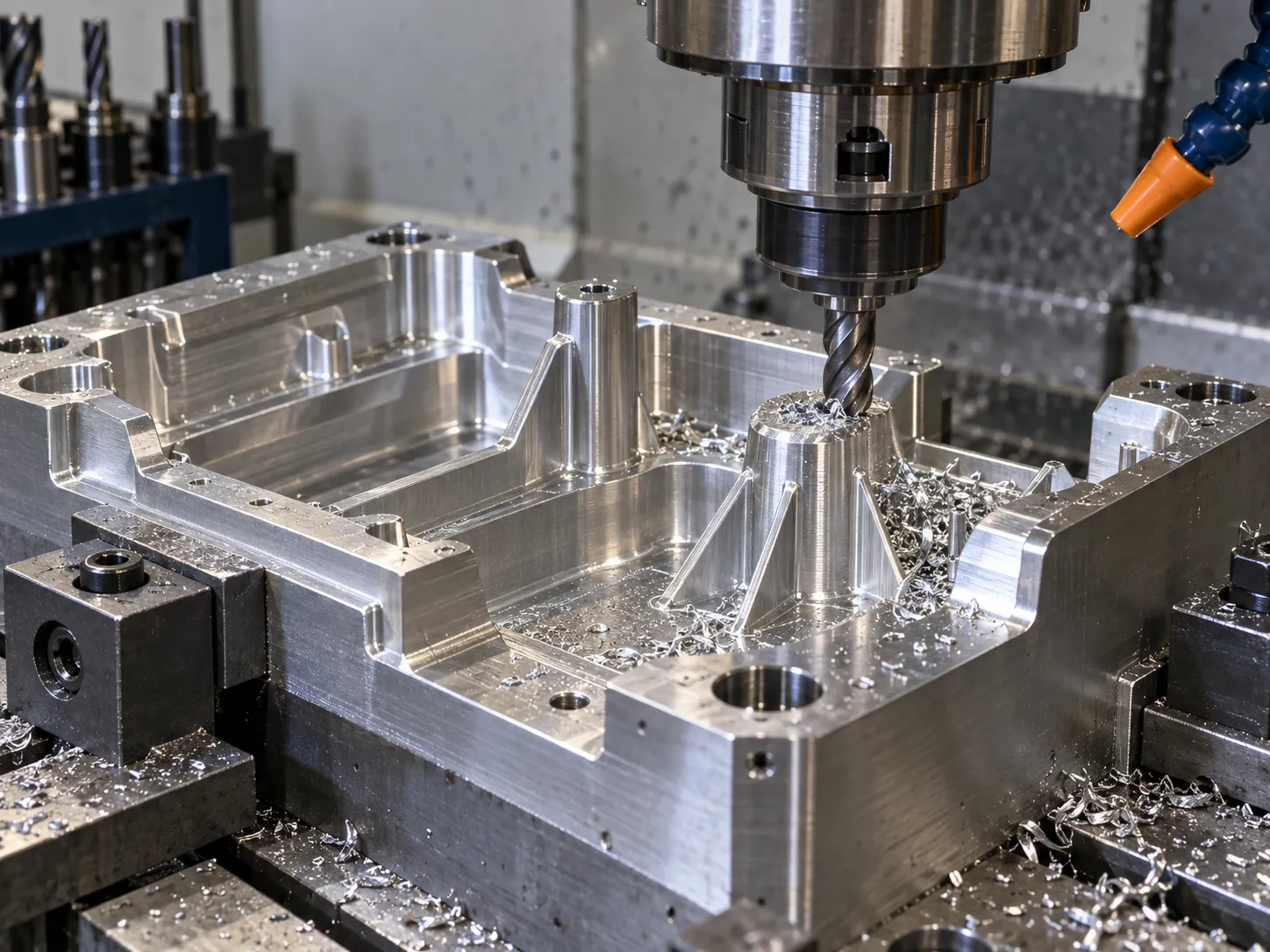
Welding or localized machining can be effective for modest corrections, but repeated rework may eventually become less reliable than replacing an insert. A new insert is often preferable when the geometry changes substantially, a sealing surface must be restored, or several previous modifications have reduced dimensional control. Prototype tools designed with modular inserts make this decision easier because a local component can be replaced without rebuilding the complete mold.
Use the Final Prototype Revision as the Production Baseline
Once T2 or T3 parts pass functional and dimensional validation, archive the approved CAD, drawing, mold-change record, resin grade, and process settings as the production baseline. The production-tool supplier should receive this validated package rather than an earlier design version. A disciplined handoff turns the prototype mold into an engineering knowledge source and reduces the probability that solved problems reappear in the production tool.
Limit Modification Loops with Better Test Feedback
Tool changes are fastest when customer feedback is specific. Instead of reporting that a part does not fit, identify the interfering feature, measured deviation, assembly force, and required final condition. Photographs, marked drawings, CMM results, and failed-part samples help the toolmaker understand the problem quickly. Better feedback reduces unnecessary trial-and-error modifications and can shorten the number of T1, T2, and T3 loops required before the prototype design is approved.
Conclusion
Prototype injection mold modification should be viewed as a planned part of product development. T1 trials provide real data about material behavior, dimensional accuracy, assembly, strength, and moldability. Simplified steel molds and aluminum molds make engineering changes easier to implement before production tooling becomes complex and expensive.