

Aluminum vs. Simplified Steel Prototype Injection Molds: Selection Guide
The material used for a prototype mold should match the engineering objective. Aluminum can be efficient to machine and modify. Simplified steel can provide more wear resistance and mechanical durability. Neither material is automatically the “best” prototype-tool choice, and selecting only by initial mold price can create problems later.
For aluminum prototype injection molding, the correct decision depends on the plastic resin, part geometry, expected trials, surface requirement and whether the tool may continue into low-volume production. HPDI’s prototype injection molding service includes aluminum molds, test molds, bridge molds and other simplified tooling strategies.
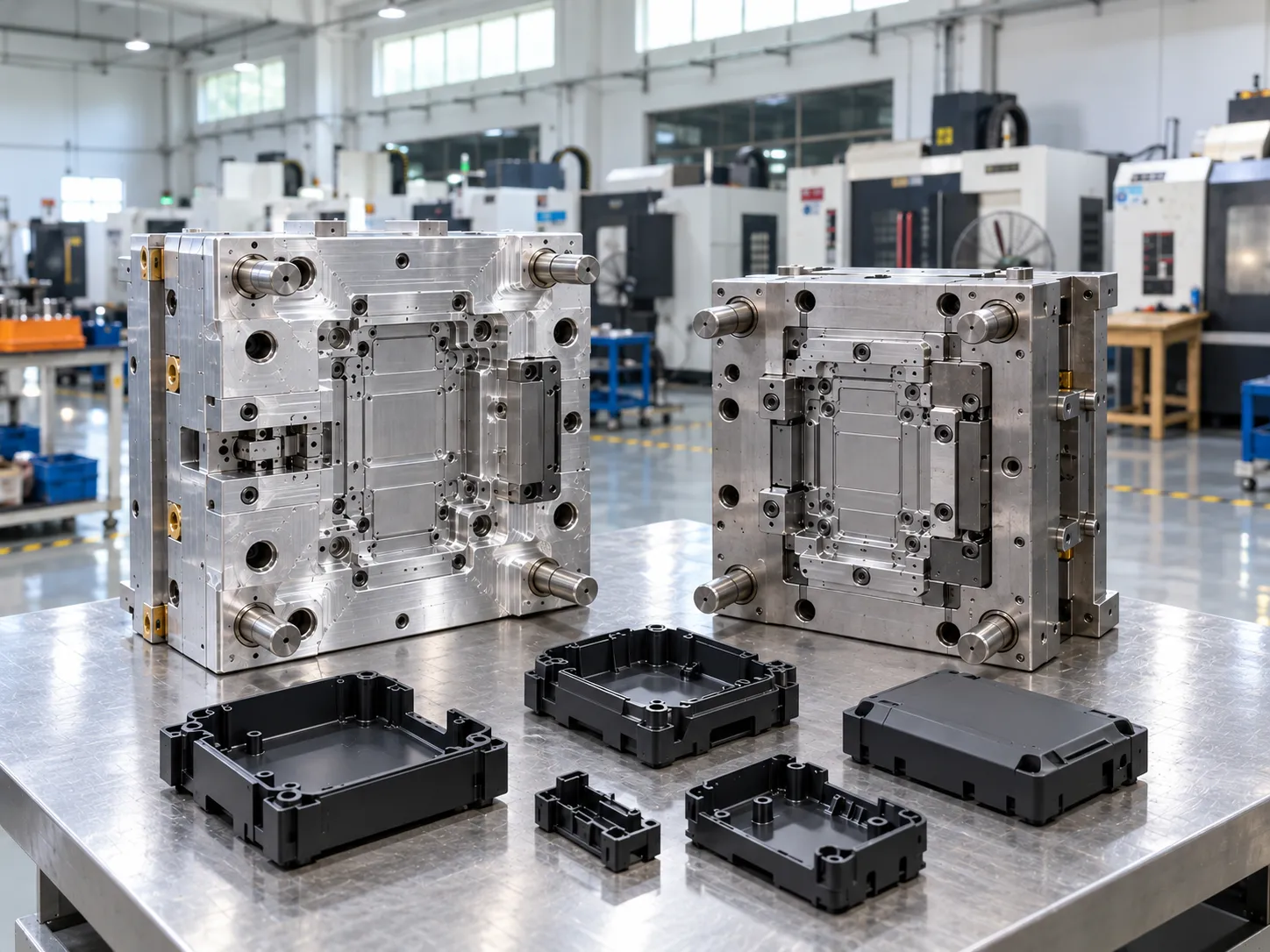
When is aluminum tooling attractive?
Aluminum is useful when the project values efficient machining, accessible engineering changes and a tooling structure intended primarily for validation or limited production. It can work well for housings, covers and other components where the resin and geometry do not create excessive wear or mechanical loading.
Because prototype projects often change after the first trial, the ability to re-machine a local cavity area or insert can be important. Aluminum can support that workflow, particularly when the team expects more than one design iteration.
When does simplified steel make more sense?
Simplified steel tooling may be preferable when the resin is abrasive, the mold contains demanding shutoffs, the part requires repeated trials or the tool is expected to support a longer production phase. Glass- or mineral-filled plastics can increase wear around gates and sliding areas, while complex side actions may need stronger wear surfaces.
A steel tool can still be “prototype” tooling if its mold base, cavity count, runner, automation and other systems are simplified around the development objective.
How does resin choice affect the decision?
The resin should be confirmed before tool material whenever possible. Unfilled plastics usually present a different wear profile from heavily reinforced engineering materials. High processing temperatures or aggressive fillers can also influence insert material, surface treatment and expected maintenance.
For glass-filled materials, a hybrid solution can be effective: aluminum where machining flexibility is useful and steel at the gate, shutoff or sliding interfaces where local wear is higher. The result is a tooling system designed around risk rather than a single metal choice.
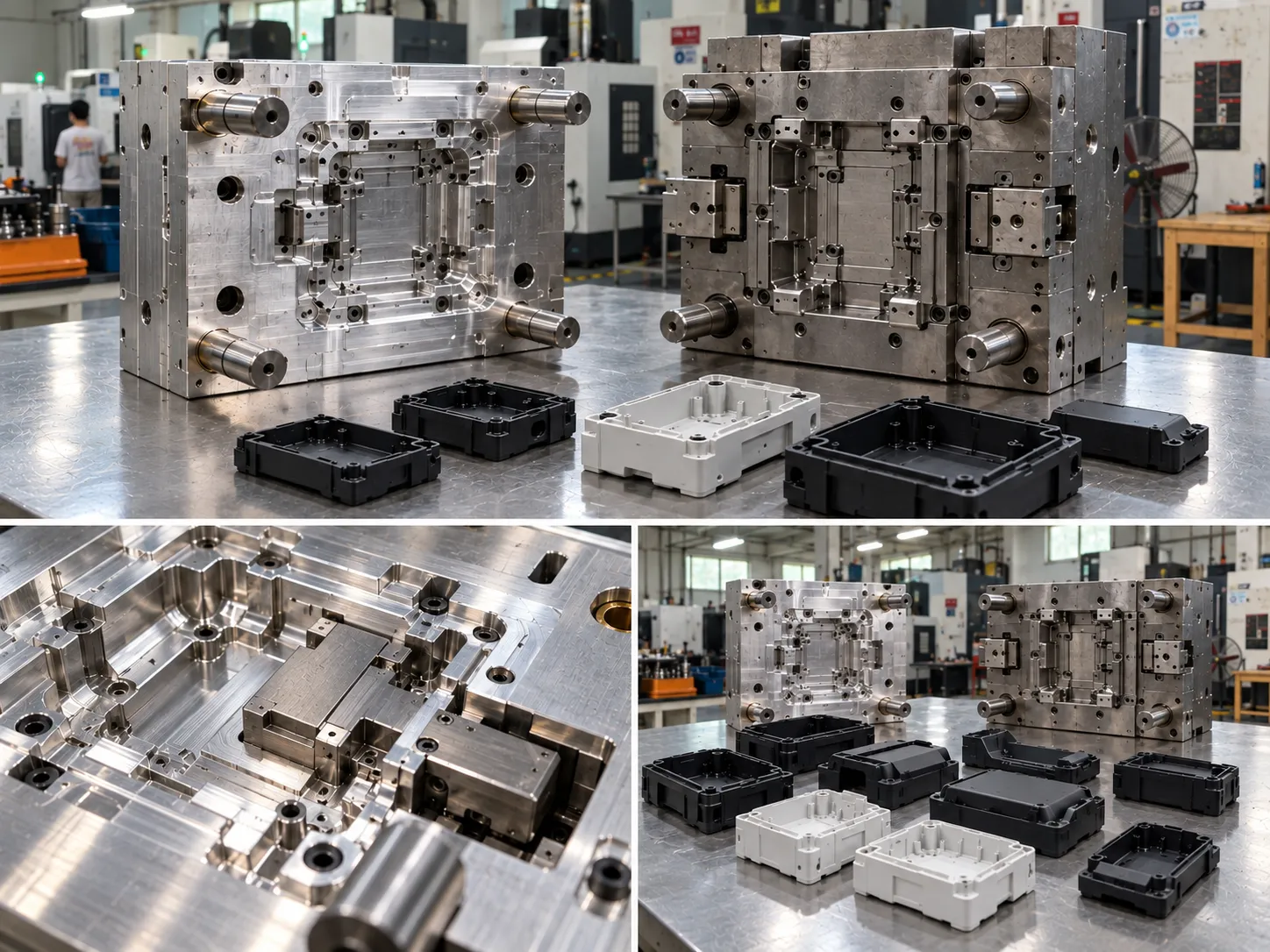
Comparison table
| Decision factor | Aluminum prototype mold | Simplified steel prototype mold |
|---|---|---|
| Engineering changes | Often efficient to machine and revise | Good flexibility, especially with inserts |
| Wear resistance | Project- and resin-dependent | Generally stronger for abrasive or repeated use |
| Best fit | Validation and selected short-run programs | Repeated validation and longer low-volume use |
| Hybrid option | Can use local steel wear inserts | Can use simplified base and selective hardening |
What about dimensional accuracy and surface finish?
Part accuracy depends on mold design, machining, resin behavior, process stability and inspection, not simply on whether the cavity is aluminum or steel. Both materials can support useful engineering validation when applied correctly. The design team should mark the critical dimensions and cosmetic surfaces before tool release so the mold maker knows where additional control is justified.
HPDI’s facilities include mold machining, injection molding and dimensional inspection, which supports evaluation of the finished parts rather than judging tool material only by machining convenience.
Should the prototype tool continue into low-volume production?
If the tool may be used beyond validation, expected production quantity becomes more important. A bridge or simplified steel tool can be a better fit when the program requires repeated production campaigns. An aluminum mold may still be suitable for some short-run applications, but wear, maintenance and resin compatibility should be reviewed first.
The existing article on low-volume injection molding with bridge tooling explains how development tooling can support the transition from engineering samples to pilot or small-batch production.
How should tool life and maintenance be planned?
Tool life should be defined by the actual project rather than by a generic shot target. A validation tool that will produce repeated engineering batches needs a different maintenance plan from a mold used only for a few trials. Resin abrasiveness, sliding actions, gate condition and cleaning frequency all affect whether the original tooling strategy remains economical.
For aluminum tools, monitor gate edges, shutoffs and sliding interfaces for early wear. For simplified steel tools, confirm that the additional durability is being used where it creates value rather than adding complexity everywhere. Replaceable wear inserts can make either strategy more serviceable.
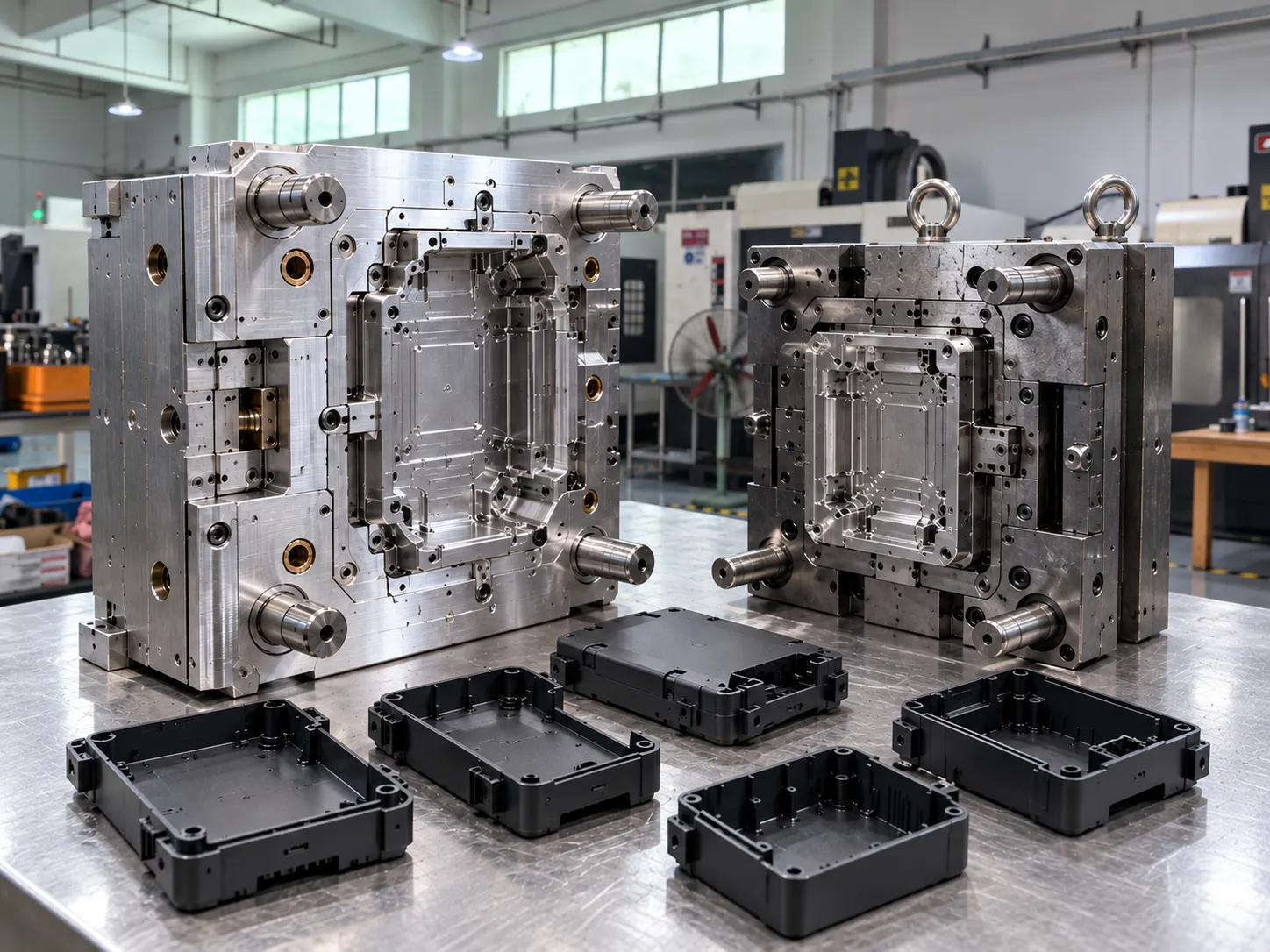
How should the tooling choice be documented?
The quotation or tool-release record should state the selected mold material, the intended use, the production resin, important wear assumptions and any areas using a different insert material. It should also note whether the mold is intended only for validation or may continue into low-volume production.
This documentation is useful when the project changes later. If quantity rises or a more abrasive resin is selected, the team can revisit the original assumptions instead of treating the mold-material choice as an unexplained historical decision.
Conclusion
Choosing aluminum or simplified steel for prototype injection molding should be a technical decision based on resin, geometry, expected changes, wear, surface needs and future use. Aluminum is valuable for flexible, machining-friendly development. Simplified steel is valuable when durability and wear resistance carry more weight.
For a project-specific recommendation, review HPDI’s FAQ or contact HPDI with the resin, drawings, expected use and critical part requirements.