

Low-Volume Prototype Injection Molding for Pilot Production
Product development does not always move directly from a few samples to full-scale production. Many projects need an intermediate stage for engineering builds, market evaluation, pre-production assembly or limited commercial demand. In that stage, the company needs real injection-molded parts but may not yet need the complexity of a high-volume production mold.
Low-volume prototype injection molding uses simplified tooling, aluminum molds or bridge molds to continue producing parts after initial validation. HPDI lists prototype molds, bridge molds, rapid molds and low-volume injection molding within its service scope, making this a natural extension of the prototype phase.
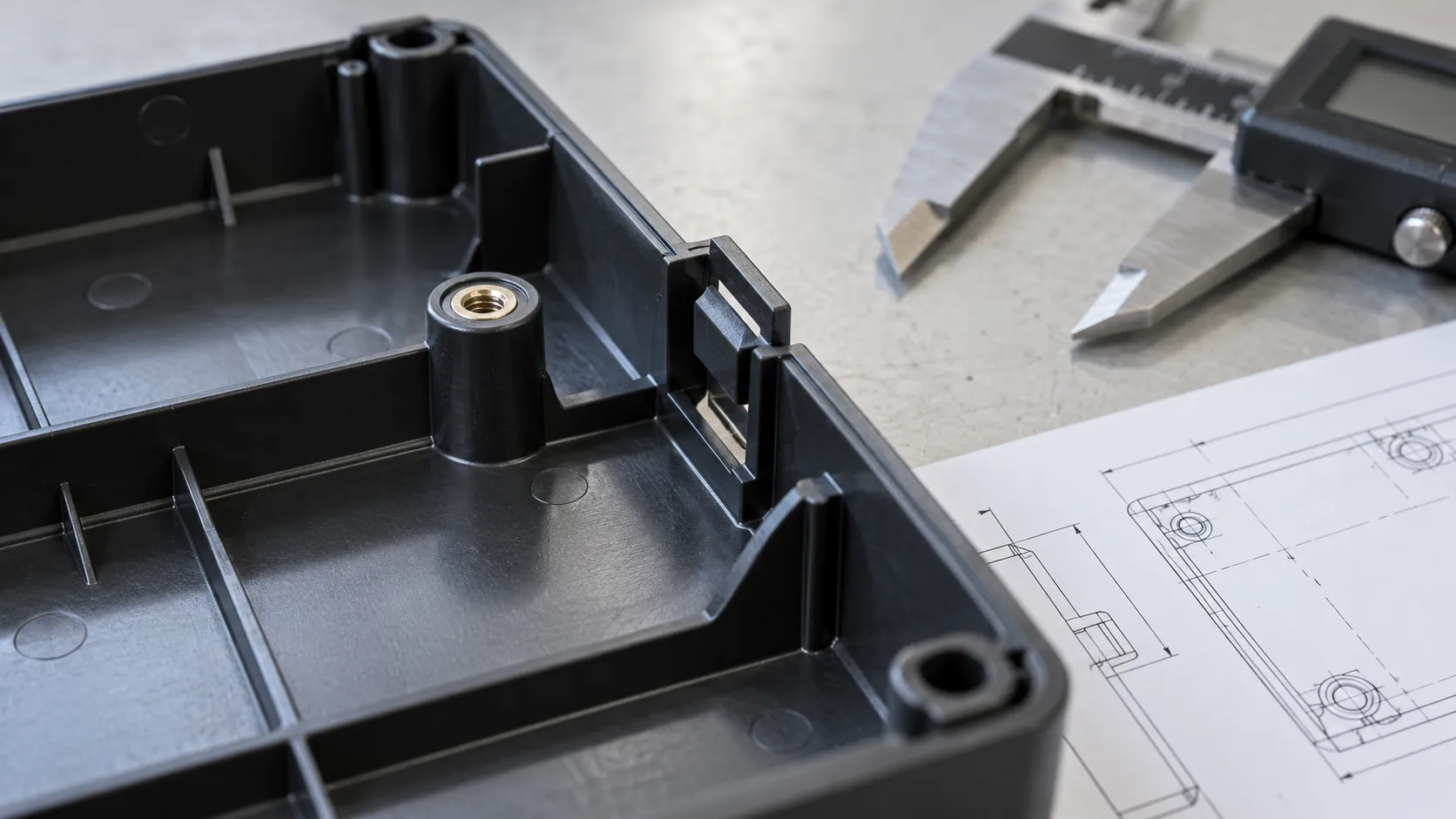
What is the purpose of a pilot molding stage?
A pilot stage tests more than the individual plastic part. It can expose assembly-line access problems, fixture issues, fastening sequence, packaging damage, handling marks, supply variation and operator feedback. These system-level issues are difficult to discover from a handful of engineering samples.
The objective is to learn before the organization commits to high-volume tooling, automation or inventory. Pilot parts should therefore be representative enough to support the intended assembly and use conditions.
When can the prototype mold continue into low-volume use?
The answer depends on the mold material, resin, geometry, wear, maintenance and expected production pattern. A simplified steel or bridge tool may be well suited to repeated low-volume runs. Aluminum may also be appropriate for selected short-run applications where the resin and mold structure are compatible.
The decision should be made after the validation stage, when the team has observed tool behavior and can estimate whether the existing mold still matches the next phase of the program.
How does bridge tooling fit?
Bridge tooling is designed to bridge the gap between product validation and formal production tooling. It may use a simplified single-cavity structure, manual actions or other cost-conscious features while still producing real injection-molded parts. The appropriate structure depends on quantity, part geometry and required repeatability.
HPDI’s existing article on low-volume injection molding with bridge tooling provides a dedicated explanation of this transition.
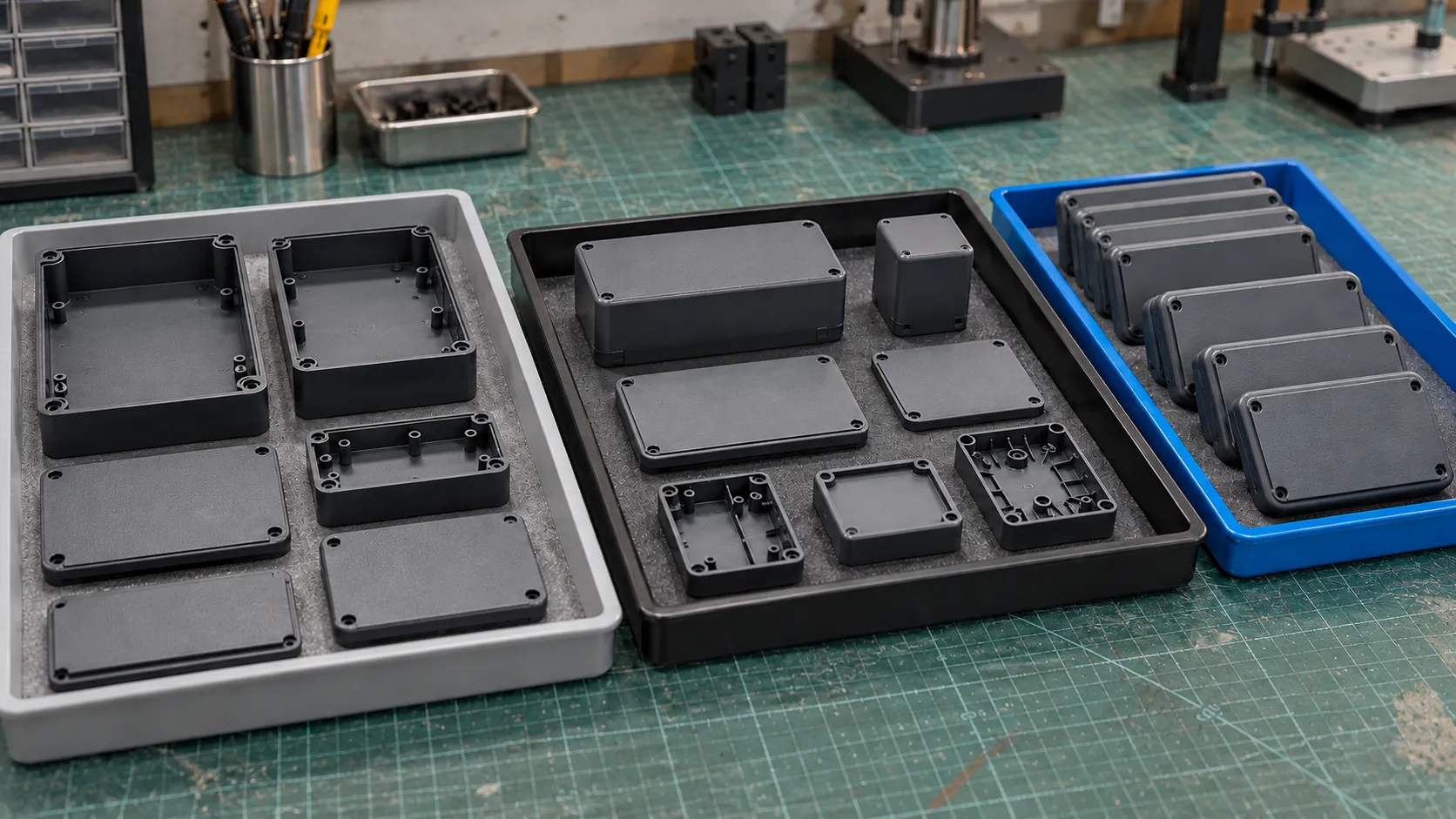
What should pilot production measure?
A pilot run should track the issues that will affect scaling: dimensional consistency, assembly fit, cosmetic variation, part handling, cycle stability and any recurring molding defect. The team should also confirm that the approved resin, drawing revision and inspection criteria are controlled.
This stage is a good time to identify which dimensions truly require ongoing inspection and which checks can be simplified in production. HPDI’s facilities provide mold manufacturing, injection molding and dimensional-inspection capability within the same workflow.
Pilot-production planning table
| Pilot question | What to verify | Why it matters |
|---|---|---|
| Part consistency | Critical dimensions and recurring defects | Shows whether the process is stable enough for repeated builds |
| Assembly | Fit, fasteners, access and handling | Reveals system-level problems not visible in single-part inspection |
| Tool condition | Wear, flash, ejection and maintenance needs | Helps decide whether prototype tooling can continue |
| Production transfer | Approved CAD, resin and process observations | Reduces repeated learning in the production mold |
When should the project move to a production mold?
A production tool becomes more attractive when demand is stable, the product design is frozen, the resin is approved and the manufacturing process needs more automation or output. The pilot program should provide the production-tool team with the final CAD revision, approved material, validated gate concept, critical dimensions, known molding risks and lessons from assembly.
The goal is not to keep prototype tooling indefinitely. It is to delay irreversible tooling complexity until the product and demand justify it.
How do uncertain demand and reorder patterns affect tooling?
Low-volume programs often have uncertain demand. The first commercial batch may be followed by long gaps, engineering updates or irregular reorders. That pattern favors tooling that is easy to store, restart and maintain rather than a system optimized only for continuous high output. The mold material and moving components should be selected with this real usage pattern in mind.
Before extending a prototype mold into pilot production, review likely reorder frequency, resin availability and whether design revisions are still possible. A tool that is ideal for one pilot build may not be the best long-term option if the product becomes stable and demand increases.
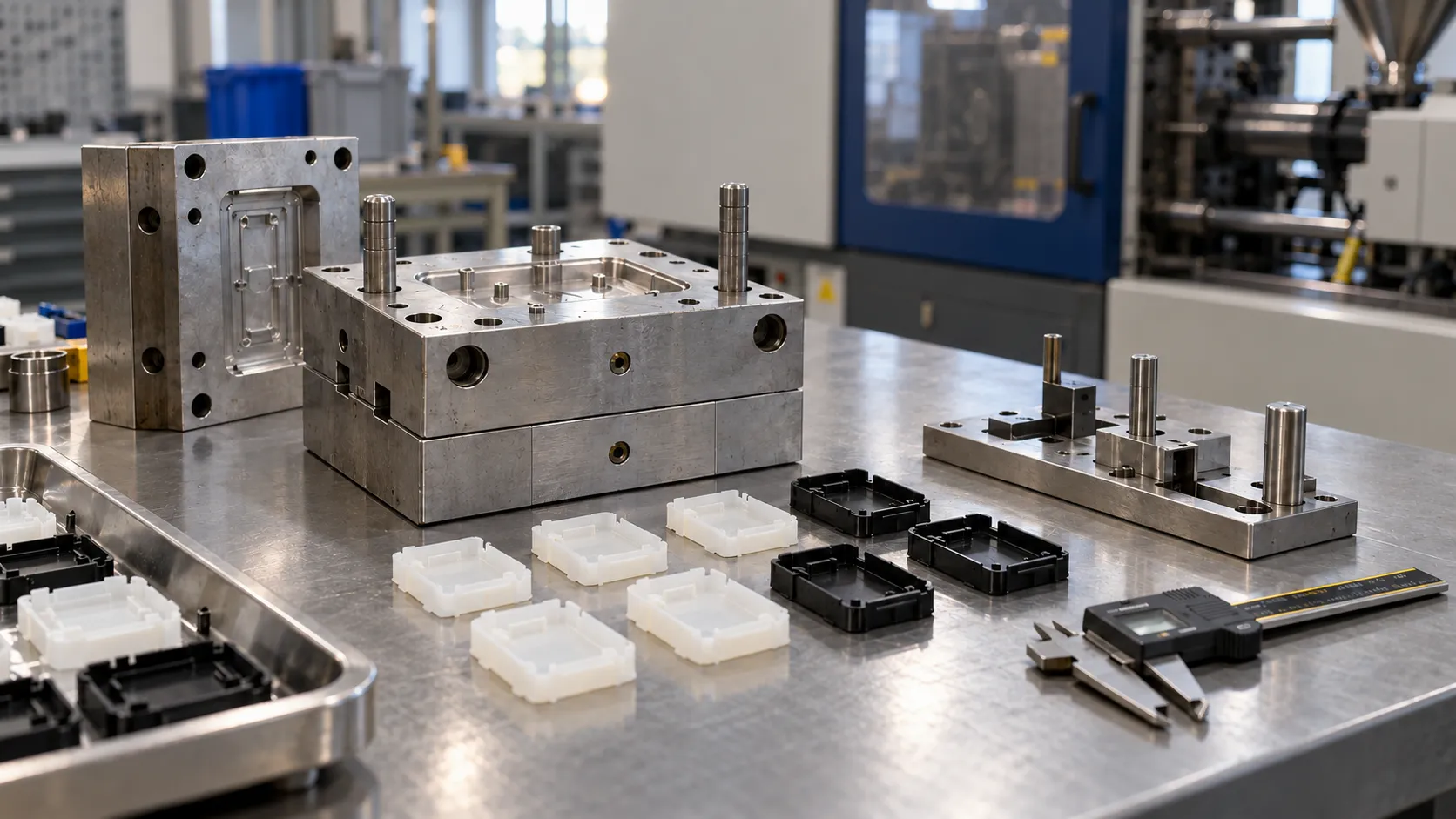
How can a validated process be maintained during pilot runs?
Once the pilot process is approved, record the basic material preparation, mold condition and stable molding settings used for acceptable parts. The goal is not to freeze every machine adjustment, but to preserve enough information that later batches start from a known condition. Keep the approved sample, drawing revision and inspection method tied to the same process record.
If a later batch requires a significant change, document why it changed and re-check the critical dimensions or assembly features affected. This prevents low-volume production from drifting away from the conditions that were actually validated during development. Retaining an approved reference sample also gives operators and inspectors a practical comparison during future restarts.
Conclusion
Low-volume prototype injection molding can turn a validated prototype tool into a practical pilot-production system. It helps product teams learn about assembly, handling and repeatability before committing to high-volume tooling and automation.
For questions about whether an existing prototype mold can support the next production stage, review HPDI’s FAQ or contact HPDI with the mold material, resin, expected use and current part status.