

Injection Molded Prototype Gate and Weld-Line Validation
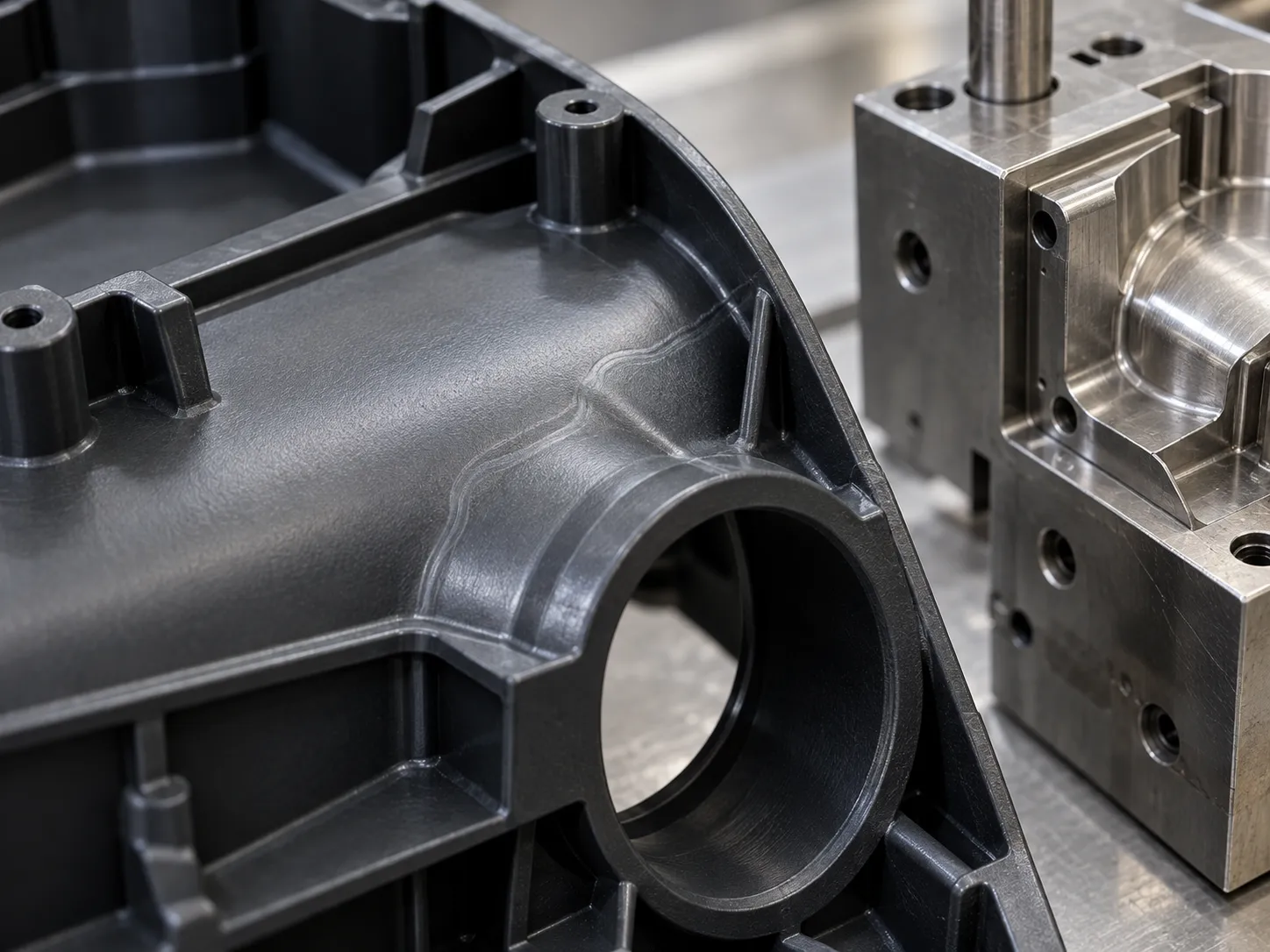
Gate location is not just a tooling detail. It determines where molten plastic enters the cavity, influences the main flow direction and helps define where separate flow fronts meet. Those decisions can affect cosmetic appearance, structural performance, packing and warpage. A gate that works mathematically may still create a weld line in the wrong functional area.
Injection molded prototype testing gives engineers a chance to observe these effects in real parts before the production mold layout is frozen. HPDI’s prototype injection molding service can use simplified tooling to test a practical gate and runner concept during product validation.
What should a prototype gate test answer?
The first question is whether the part fills consistently without excessive pressure or trapped air. The second is whether the gate vestige is acceptable for the product. The third is whether the flow pattern places weld lines in safe locations. The fourth is whether packing reaches the important regions of the part without creating avoidable sink or distortion.
The goal is not to find a universally “best” gate. It is to find a gate strategy that works for the specific geometry, material and product requirement.
Why do weld lines matter?
A weld line forms where two melt fronts meet. Its importance depends on location, resin, process and part function. A line on a hidden cosmetic surface may have little consequence. A line across a snap feature, screw boss, pressure boundary or highly loaded region may deserve much closer evaluation.
Engineers should therefore identify critical structural and cosmetic zones before mold design. This lets the tooling team choose gate locations with the actual product function in mind rather than only the easiest machining route.
How can prototype tooling support gate changes?
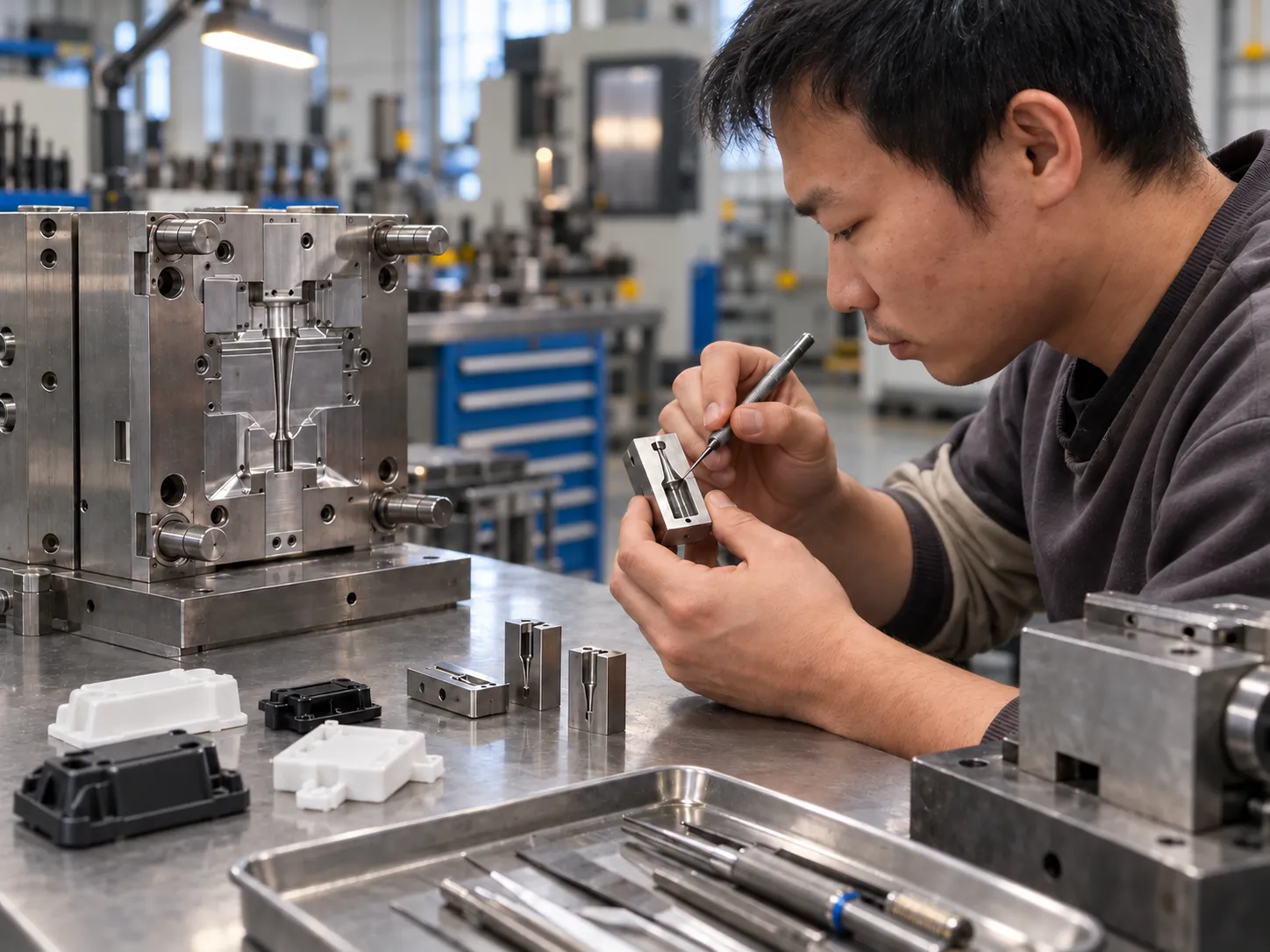
A simplified mold can use an insert or accessible runner design so that the gate can be enlarged, reduced or locally relocated after the first trial. For some parts, the team may intentionally test more than one gate concept. The resulting molded parts can be compared for filling, weld-line position, warpage and appearance.
This is one reason prototype tooling is valuable even when the final production mold will be different. It provides real process evidence that can guide the later tool.
What should be inspected after the trial?
The team should record gate vestige, visible flow marks, short-shot tendency, burn marks, weld-line location, local sink and dimensional behavior around the gate. Structural or assembly testing should focus on features crossed by a weld line or strongly affected by flow orientation.
HPDI’s facilities support mold trials and dimensional inspection, while the existing DFM checklist helps identify critical part features before the gate plan is approved.
How do reinforced plastics change the gate discussion?
With glass-filled materials, gate location also influences fiber orientation. A change in flow direction can change stiffness, shrinkage and warpage. Weld-line regions may also have a different local fiber structure from the main flow path. This makes gate validation especially important for structural engineering parts.
For these materials, the tool designer should also consider local wear around the gate and whether a steel insert is appropriate within an aluminum prototype mold.
What information should move into production tooling?
The prototype program should capture the gate type and size used for the approved parts, weld-line positions, cosmetic observations, filling balance, dimensional effects and any changes made after T1. If the production mold will use a different runner system, these observations still help the production-tool team understand which areas are sensitive.
The injection molded prototype process guide explains how this kind of validation data fits into the larger design-to-tooling workflow.
How should venting be reviewed with gate testing?
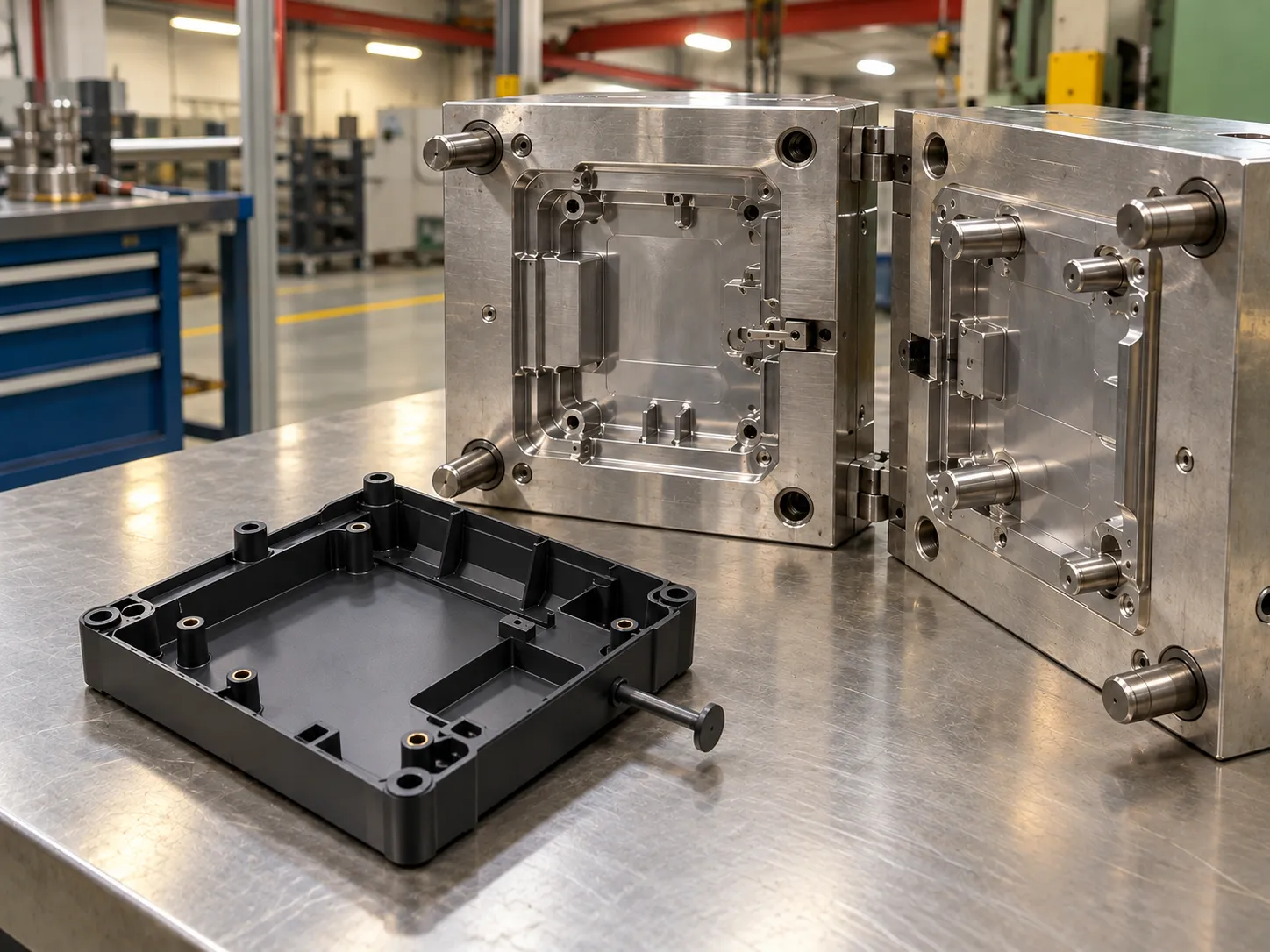
Gate and venting decisions are connected because the gate determines how air is displaced as the cavity fills. A gate change can move the end-of-fill location and therefore change where trapped air, burn marks or incomplete filling appear. During prototype trials, note the last areas to fill and inspect whether vents are located where the air actually needs to escape.
If a defect disappears only after using unusually high injection pressure, the team should question whether restricted venting or an unfavorable flow path is forcing the process outside a comfortable window. Improving the gate and vent strategy can create a more transferable solution than simply increasing pressure for the approved samples. Record the end-of-fill location after each gate revision so the production mold team understands how the preferred vent layout was established.
Conclusion
Gate and weld-line validation is a practical use of injection molded prototypes because the final result depends on real melt flow, not just CAD geometry. A prototype mold allows engineers to observe filling, appearance and structural risk while gate changes are still manageable.
For gate-layout questions, review HPDI’s FAQ or send the part model and critical zones for a tooling review.